Structural Drying and Dehumidification Great Neck Plaza, NY
Multifamily and mixed-use buildings share floors, walls and ceilings, so moisture can travel between units. Crews dry every wet material to the standard with daily readings.
(888) 527-9860Call about drying equipment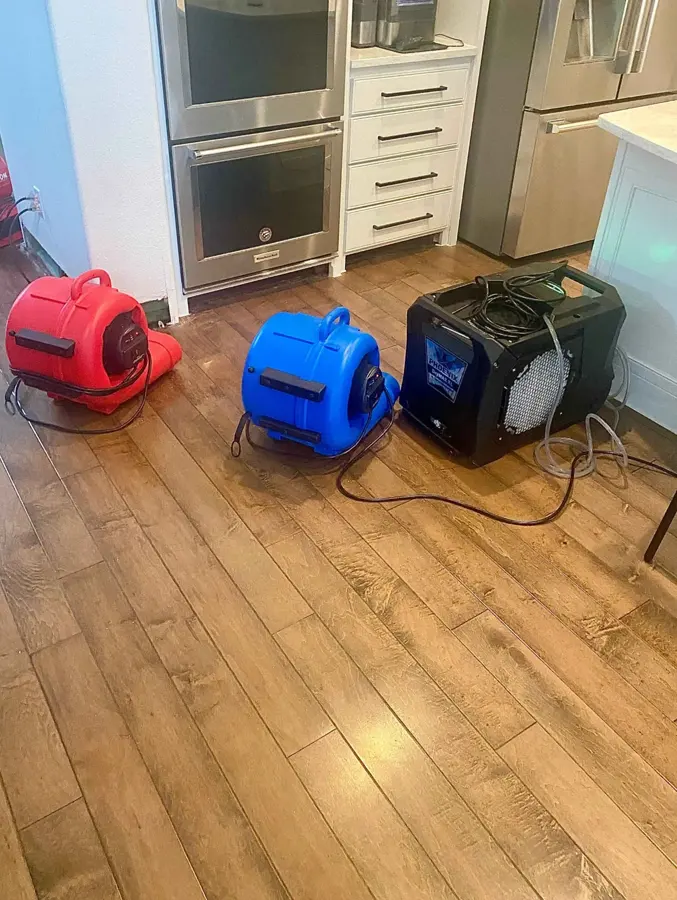
First steps for structural drying and dehumidification in Great Neck Plaza
- Map the wet areas
A meter and a thermal camera show which floors, walls and ceilings hold moisture.
- Place the equipment
Air movers and dehumidifiers are sized and positioned for each room.
- Read every day
Moisture readings are logged daily and the equipment is adjusted.
- Confirm dry
Equipment comes out only when materials reach the dry standard.
Structural drying removes the moisture that extraction leaves behind in floors, walls and framing. In buildings that share floors, walls and ceilings, that moisture can travel from one unit to the next if it is not controlled.
The standard behind every structural drying and dehumidification job in Great Neck Plaza
Rapid local response
The response team runs 24/7 dispatch for Fresh Meadows, the rest of eastern Queens and the nearby Nassau villages, with pumps, air movers and meters on the truck.
IICRC S500 drying standard
IICRC S500 is the industry drying standard. The drying team maps moisture first and pulls equipment only when the readings say dry.
Claim-ready documentation
Most crews log daily moisture readings and take timestamped photos before any demolition, which is what an adjuster reads.
Queens water know-how
Basement backups in cloudbursts, frozen pipes in January, steam radiators and old galvanized supply pipe set the work here.
What does structural drying and dehumidification cost in Great Neck Plaza, NY?
Structural drying in Great Neck Plaza typically runs $1,000 to $2,000 for one Class 2 room, and $5,500 to $10,000 or more for Class 4 materials, depending on the materials and how long they take to dry.
- Three to five days
- Air movers and an LGR
- Daily logs
- Multiple dehumidifiers
- Wall cavity drying
- Daily logs
- Desiccant dehumidifiers
- Floor drying mats
- Extended drying
Ranges are typical, not a quote: the water category, the wet square footage, the material class and how fast drying started move the number most. Run the water damage cost calculator for a closer planning range.
How structural drying and dehumidification is handled in Great Neck Plaza
- 1
Measure and map
Meters and a thermal camera set the baseline and mark the wet areas.
- 2
Set the drying system
Air movers, LGR or desiccant dehumidifiers and mats are placed to suit the materials.
- 3
Monitor daily
Readings are taken each day and equipment is moved or changed as the materials dry.
- 4
Release the equipment
Everything is removed once the readings meet the dry standard.
Equipment and airflow
Air movers push dry air across wet surfaces while LGR dehumidifiers pull the moisture out of the air. The equipment is sized to the volume of each room and placed so the airflow reaches wall bases, floors and cavities.
Materials that dry slowly
Plaster, hardwood and concrete hold water longer than drywall. Floor drying mats and desiccant dehumidifiers are used on dense materials, and the readings tell the crew when each one is truly dry.
Proof that it is dry
Meter readings are logged every day and kept with the job record. See water extraction for the stage that comes before drying.
Drying inside shared buildings
When the same wall serves two apartments, drying one side alone can leave the other damp. The crew checks adjoining units, adjusts airflow so humidity is not pushed into neighboring rooms, and keeps the manager informed of the equipment schedule.
Drying is a measured process, not a timer. Equipment stays until the readings match the dry standard for each material, and anything that stays wet is opened up rather than left to wait. The Great Neck Plaza hub lists related services.
Structural drying and dehumidification coverage across Great Neck Plaza and nearby communities
24/7 dispatch for structural drying and dehumidification in Great Neck Plaza, NY, with the map pinned to the neighborhood.
Structural drying covers all of Great Neck Plaza, including the apartment and condo buildings near Station Plaza, the Middle Neck Road offices and the homes on the side streets.
The same service nearby: structural drying and dehumidification in Fresh Meadows, Great Neck, North Hills.
Water damage restoration in Great Neck Plaza · every town covered
Related water damage services in Great Neck Plaza
Structural Drying and Dehumidification questions in Great Neck Plaza, NY
How long does structural drying take?
It depends on the materials and the amount of water. Daily readings, not the calendar, decide when the equipment can come out.
Why do the machines run all day?
Drying only works if air keeps moving and humidity stays low, so the equipment runs until the materials are dry.
Does drying affect neighbors in a shared building?
It can help them, because controlling moisture stops it from traveling through shared walls and ceilings.
What is Class 4 drying?
Class 4 covers dense materials like hardwood and plaster, which hold water deeply and need slower, specialized drying.
Can mold grow while the building dries?
Wet materials can start growing mold within 24 to 48 hours, which is why drying begins promptly.
Will the equipment use a lot of electricity?
Dehumidifiers and air movers draw power for the days they run. Ask the crew for the equipment list so the carrier can account for the extra use.
Wet floors and walls in Great Neck Plaza need drying
Call, tell the team which rooms are damp, and a project manager schedules the drying plan.