Water Damage Restoration Great Neck Plaza, NY
Crews work in the apartment buildings, co-ops and Middle Neck Road storefronts of Great Neck Plaza, pulling out standing water and drying floors, walls and shared ceilings until readings show dry.
(888) 527-9860Great Neck Plaza water help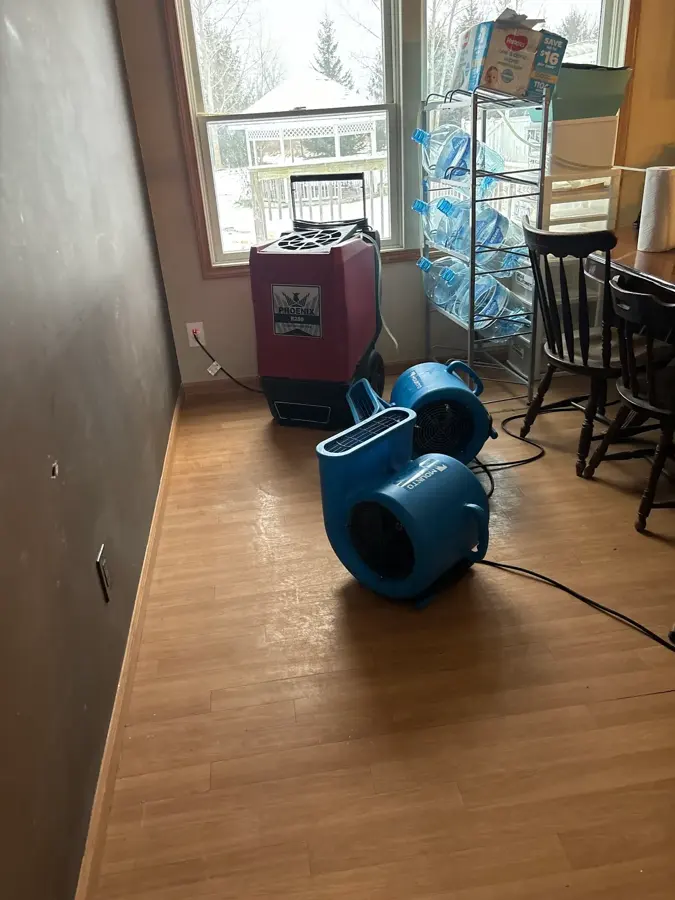
What to do first when water reaches a unit
- 1
Stop the source
Close the valve nearest the leak, or the building's main shutoff, and tell the superintendent or manager if neighbors share the pipe.
- 2
Cut power to wet areas
Leave the breaker off for any room with water on the floor, and keep clear of standing water near outlets or cords.
- 3
Take pictures first
Photograph ceilings, floors and belongings before anything moves, because adjusters ask for those images.
- 4
Lift what you can
Move rugs, electronics and paper off wet floors, then let the crew handle soaked drywall and carpet.
Water damage services in Great Neck Plaza
Twelve services cover leaks, floods and sewage, from a single apartment to a downtown building.
Pipes and heat
Behind the walls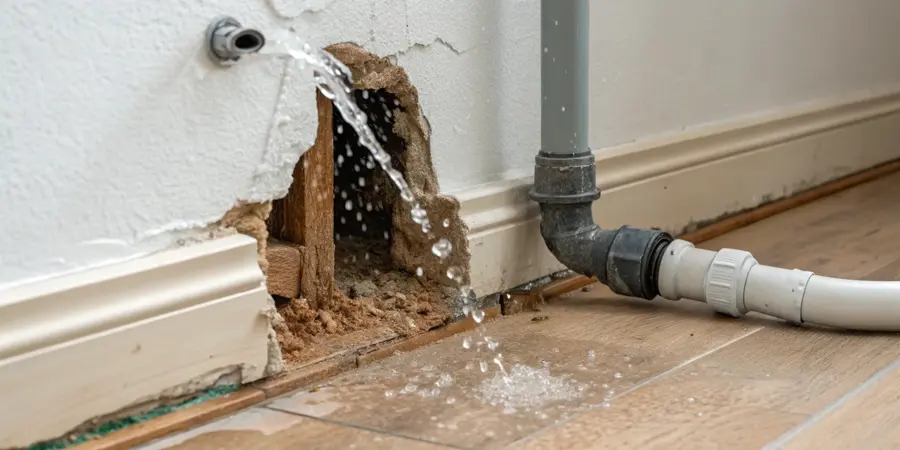 Burst Pipe Water DamageA split supply pipe can wet a wall, a floor and the unit below.Open the service
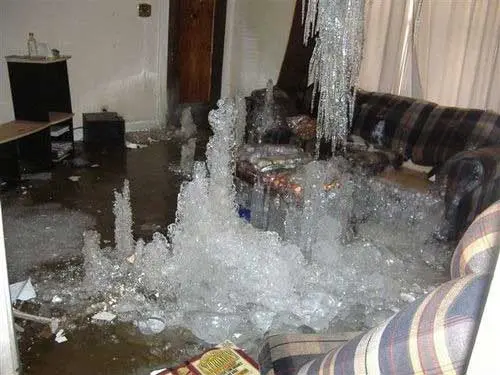 Frozen Pipe Water DamageFreeze nights in a Long Island winter can crack a pipe in an exterior wall.Open the service
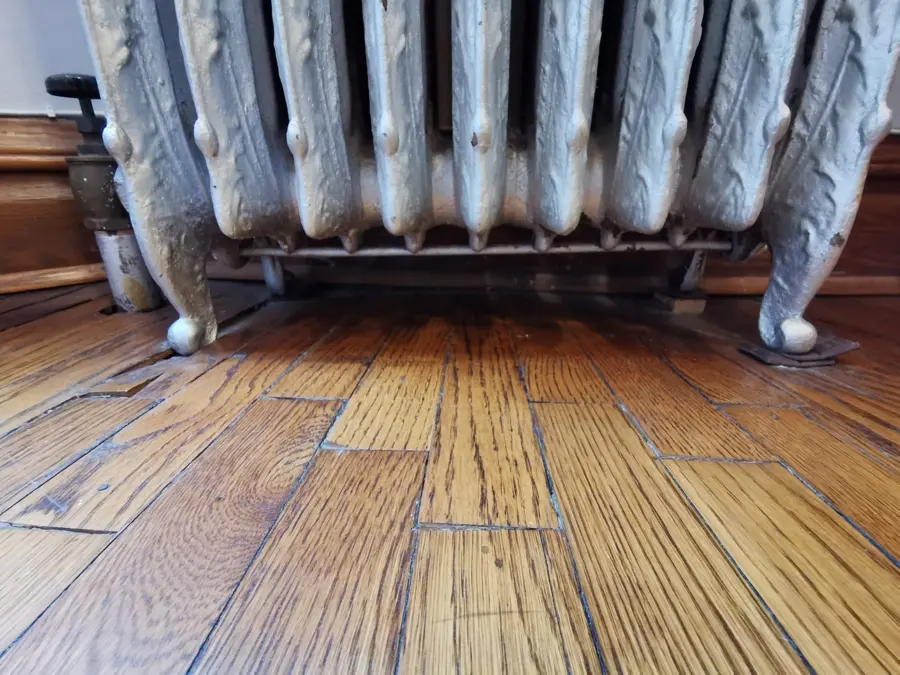 Radiator and Boiler Leak Water DamageHeating leaks in apartments, co-ops and condos can reach several units at once.Open the service
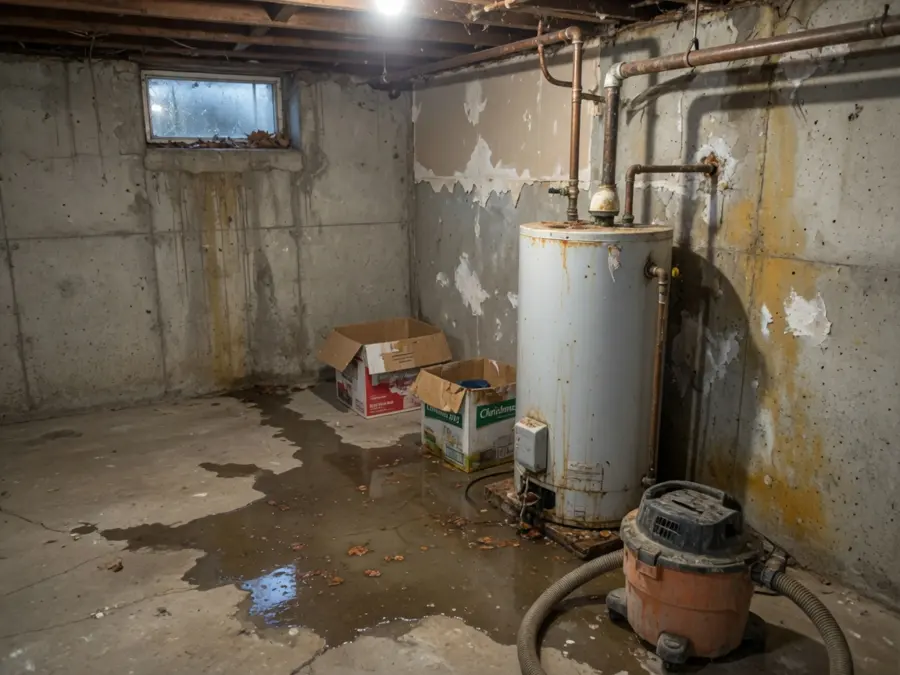 Water Heater Leak CleanupA tank leak often lands in a rental or a shared building.Open the service
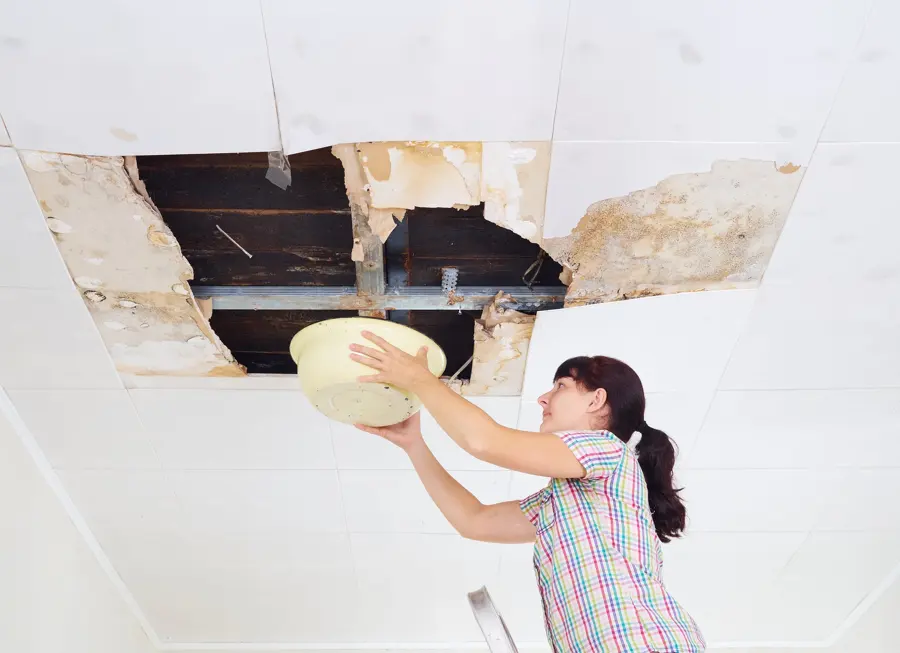 Ceiling Leak Water DamageIn a multifamily building, a ceiling leak often starts in the unit above.Open the service
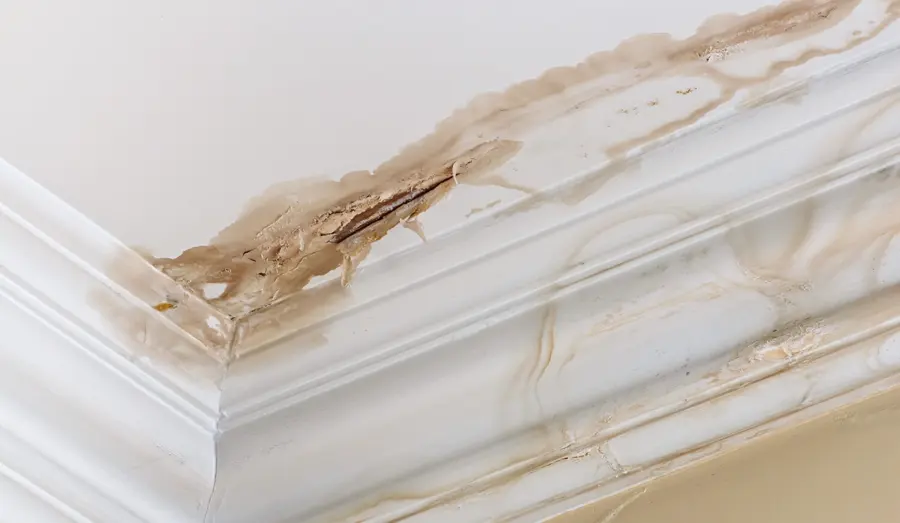 Roof Leak Water DamageWide roofs on apartments, offices and hotels let heavy rain find the ceilings below.Open the service
Floods and sewage
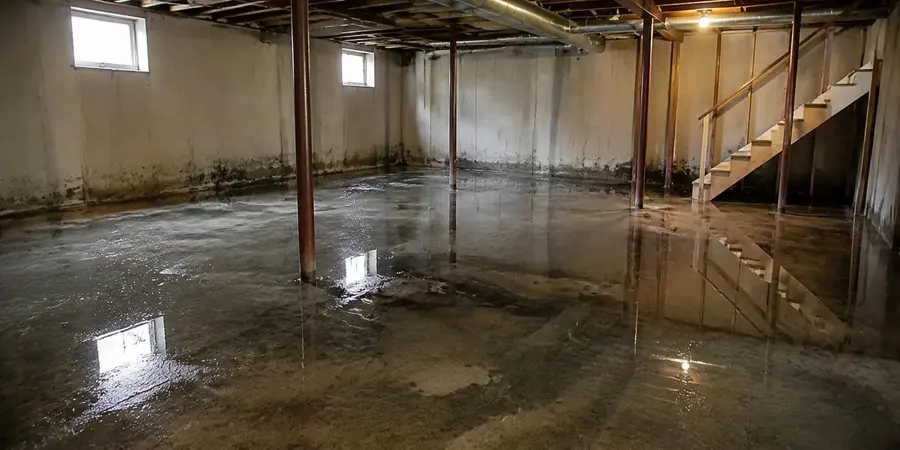
Lowest floor first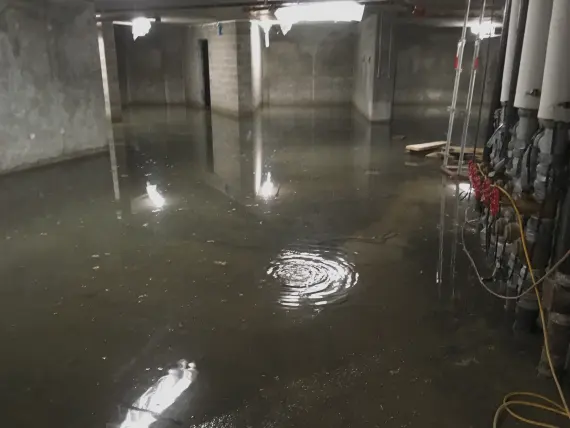 Basement Flood CleanupStanding water in a lower level is pumped out, then the framing and floor dry.Open the service
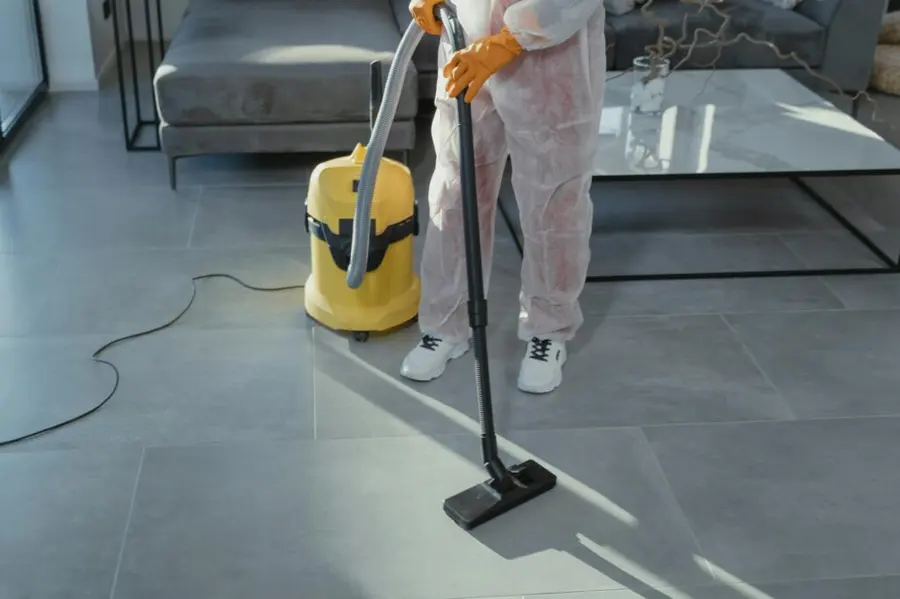 Sewage Backup CleanupA backed-up drain is contained, cleaned and disinfected before any drying starts.Open the service
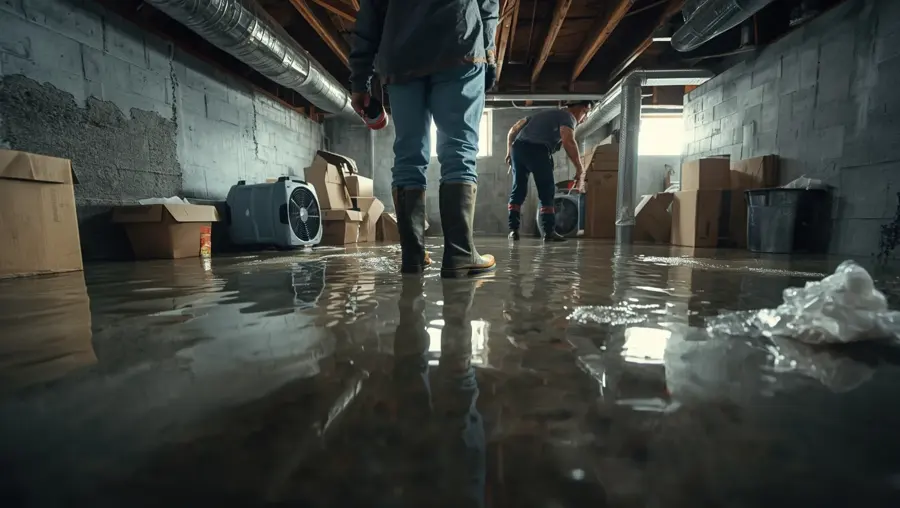 Storm and Flash Flood CleanupFlash flooding and runoff get pumped out and the affected rooms cleaned and dried.Open the service
Water and buildings
Several units at once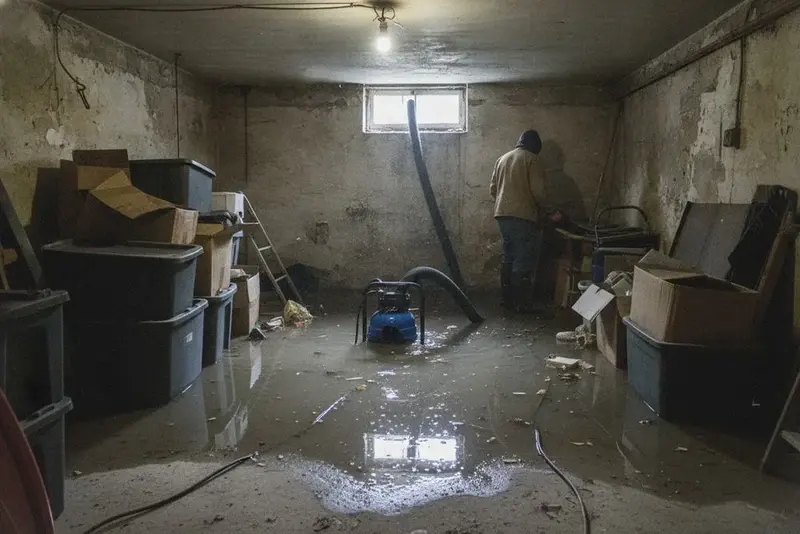 Water Extraction and RemovalTruck-mounted and portable units pull standing water out of floors and carpet.Open the service
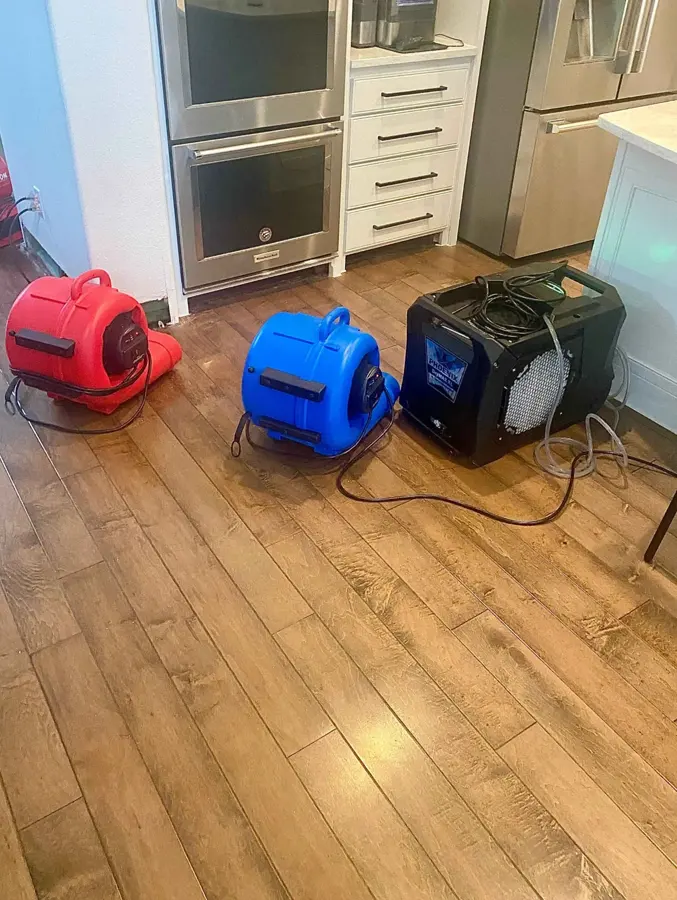 Structural Drying and DehumidificationDehumidifiers and air movers dry shared floors, walls and ceilings between units.Open the service
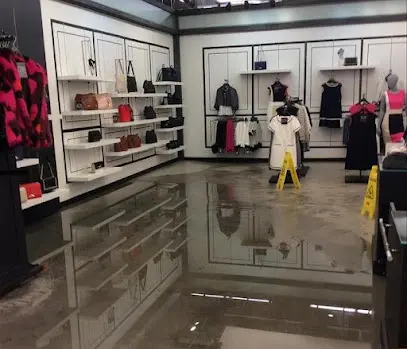 Commercial Water DamageShops, offices, hotels and senior living buildings get phased work that limits downtime.Open the service
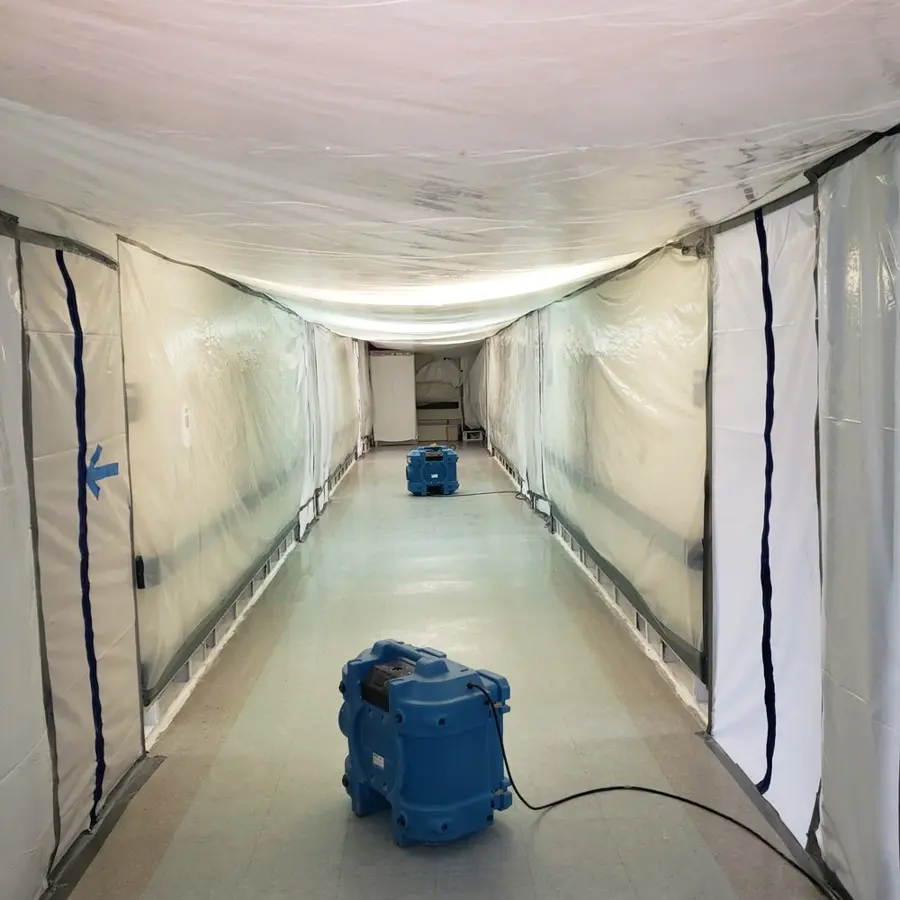
A compact village where one leak reaches many homes
Great Neck Plaza packs apartment buildings, condos, co-ops, offices and retail into a small village on the Great Neck Peninsula, so water rarely stays in one place.
The village has almost 90 multiple-family apartment buildings and fewer than 150 single-family homes, which shapes the work. Water that starts in one unit follows pipes, joists and drywall into the next. Crews map moisture across shared floors, walls and ceilings, remove wet materials, and dry each affected space. See water extraction for the first stage.
Water extraction in Great Neck PlazaHow a Great Neck Plaza loss gets dried
1. Map the moisture
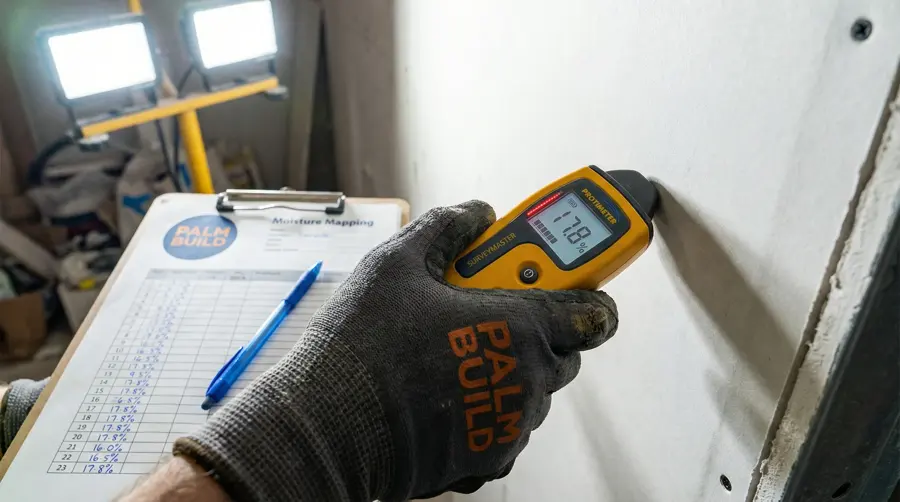
A meter and a thermal camera trace where the water traveled, including neighboring walls and the ceiling below.
2. Remove the water
Extraction units pull standing water from floors and carpet first, because water left behind keeps spreading into materials.
3. Set the equipment
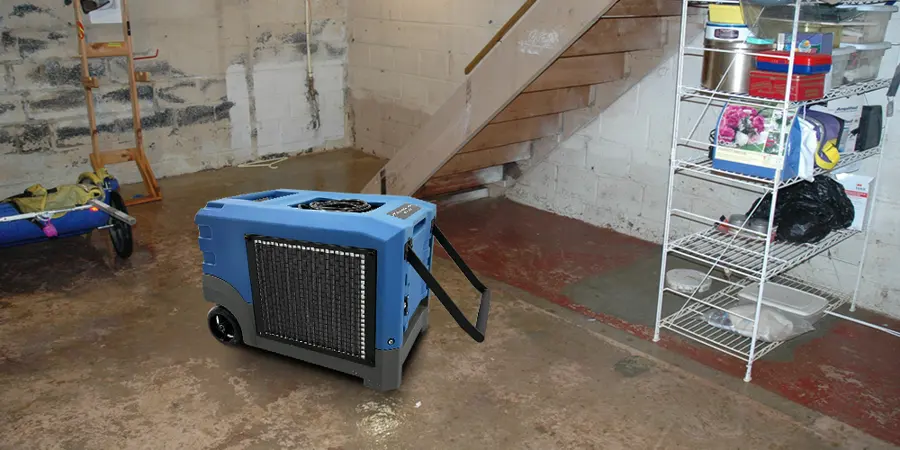
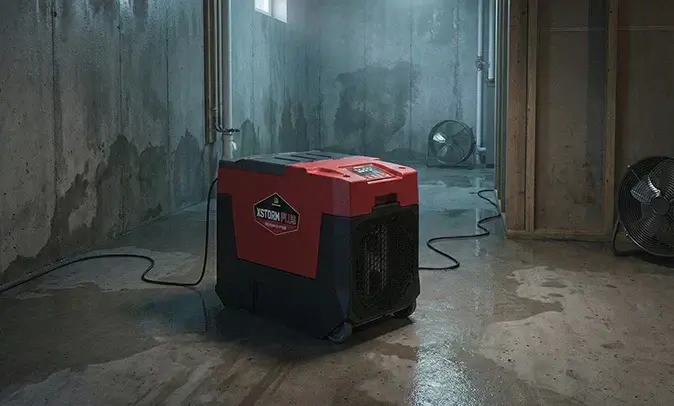
Air movers and LGR dehumidifiers go in, sized to the rooms and the shared walls of the building.
4. Confirm it is dry
Readings are logged each day until walls, floors and framing match the dry standard for those materials.
Drying follows the IICRC S500 standard, and the daily readings stay with the job record so an adjuster can see exactly what was done.
Crews that understand dense village buildings
Dense buildings call for crews who plan around neighbors.
Fast local dispatch
Crews arrive with extraction and drying equipment already loaded on the truck, and the work continues through nights and weekends.
IICRC S500 method
Drying follows the S500 standard from the first moisture map to the final reading, with each step documented.
Shared building planning
Work is sequenced around neighbors, hallways and common walls so one unit's repair does not disrupt the rest.
Village housing know-how
Apartments, co-ops, condos and the smaller stock of single-family homes each dry differently.
What water damage cleanup costs in Great Neck Plaza
Most household losses in Great Neck Plaza run about $1,200 to $7,000, while sewage or storm water can reach $18,000 or more, depending on the water category, the wet area, whether neighboring units were reached and how long materials stayed damp.
- A room or a hallway
- Standing water pulled out first
- Readings logged every day
- Wet carpet and pad lifted
- Wall cavities dried
- LGR dehumidifiers
- Category 3 handling
- Wet porous materials removed
- Containment and antimicrobial
Costs shift with the water category, how far it traveled between units, the density of plaster, tile or hardwood, and how long it sat before drying began.
Ranges are typical for Great Neck Plaza and are not a quote; the walkthrough sets the real scope of work.
Three kinds of water, three kinds of response
Clean supply water
A split pipe or failed fitting sends clean water through floors and walls and into the unit below.
Burst pipe cleanupStanding water
Rain, runoff or a flooded lower level leaves water that must be pumped out before drying starts.
Water extractionSewage backup
A backed-up drain carries contamination, so porous materials come out and the area is disinfected.
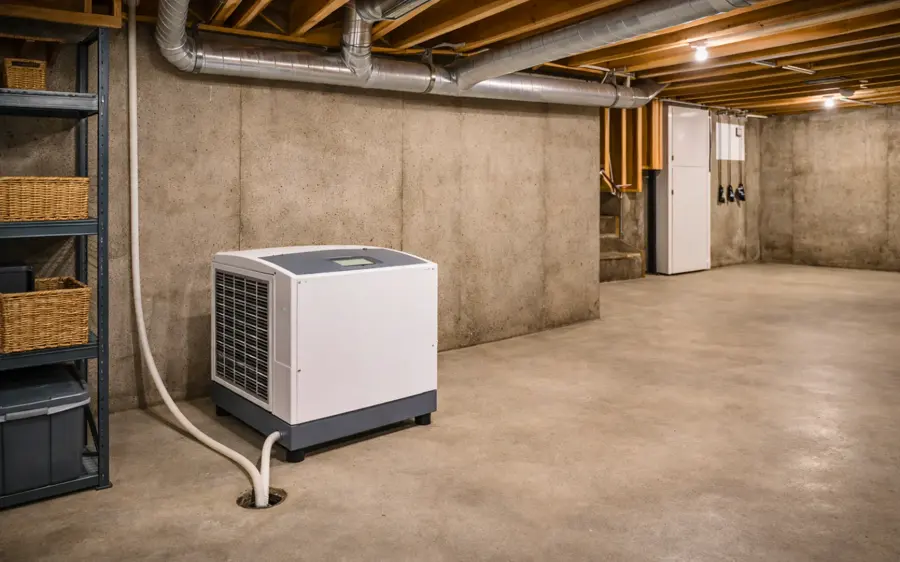
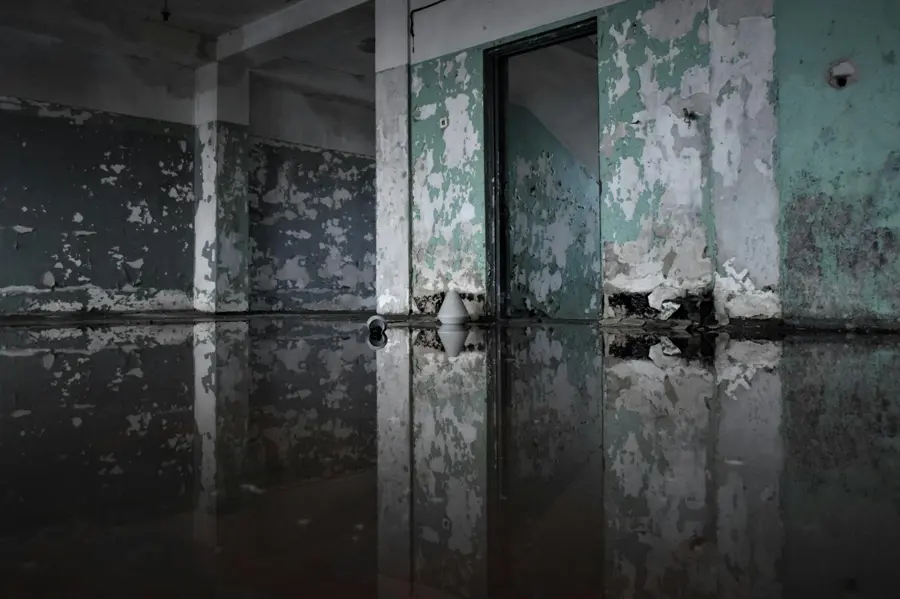
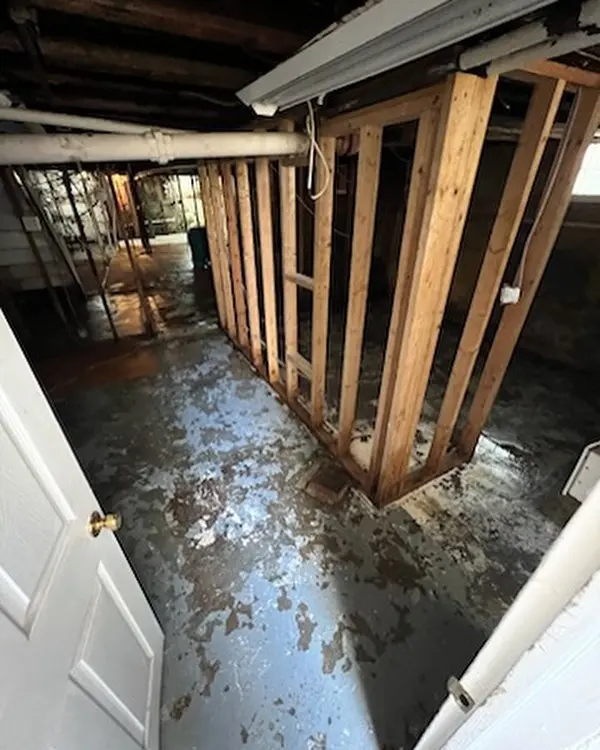
Sewage cleanupDrying equipment and checks used on water losses
Photos show the equipment and the readings used on a typical loss.
Water damage coverage across Great Neck Plaza
The restoration team covers the whole village, from the Middle Neck Road shops to the residential streets near Walnut Street and Pearce Place.
Village ZIP code covered
The village uses ZIP 11021. It borders Great Neck Estates, Kensington, Thomaston, Russell Gardens and University Gardens, and crews work in those neighboring areas as well. Not sure an address is covered? Call and the team will confirm.
Main streets
Residential streets
Apartment buildings
Downtown landmarks
Bordering areas
Water in a Great Neck Plaza building? Call now
Tell the team what happened and which units are wet, and a project manager schedules a walkthrough and explains the first steps. Crews work nights, weekends and holidays when water does not wait.
What shapes water damage in Great Neck Plaza
Water damage here is shaped by dense multifamily buildings and the county drainage that runs nearby.
- Almost 90 apartment buildings share floors and walls, so one leaking unit can wet the neighbors above and below.
- Cutter Mill Brook, a county drainage way, crosses the village toward Little Neck Bay, and the village ties into the county storm system at eight points.
- On May 19, 2026, Nassau County police closed Welwyn Road at Barstow Road for a flooding condition.
- Sewers are split between two water pollution control districts, so a backup needs the right agency called.
Dense blocks along Middle Neck Road, Bond Street and Grace Avenue mix retail with apartments, while Walnut Street and Pearce Place hold single and two-family homes built side by side.
Great Neck Plaza water damage questions
Who do I call when water comes through my ceiling?
Call the restoration team, shut off the nearest supply valve and tell the building manager or the unit above so the source can be traced.
What if the leak started in a neighbor's unit?
Photograph the damage in your own unit, notify the manager or board, and let the crew dry what is wet. Responsibility between owners, tenants and carriers is sorted out separately.
Does the team work in condos and co-ops?
Yes. Apartments, condos, co-ops, rentals and single-family homes all get moisture mapping, and the crew coordinates with the board or manager when common walls or ceilings are involved.
Who handles a sewer backup in the village?
Sewers are split between the Great Neck and Belgrave Water Pollution Control Districts. In the Great Neck district the homeowner owns the lateral up to the main, and the district uses a camera to see which side holds the blockage.
Can a downtown shop or office stay open during repairs?
Often, in part. Phased containment, after-hours scheduling and shared documentation let shops, offices and hotels on Middle Neck Road and nearby streets keep operating while the wet zone is dried.
How long does structural drying take?
Length depends on the materials and how wet they got. Plaster, hardwood and concrete dry slowly, and daily readings, not the calendar, decide when the equipment comes out.
What does water damage cleanup cost here?
Most household losses run about $1,200 to $7,000, and sewage or storm water can reach $18,000 or more. A walkthrough sets the real scope for the building.
Does the team handle storm flooding?
Yes. Nassau County police closed the intersection of Welwyn Road and Barstow Road for a flooding condition on May 19, 2026, and crews handle runoff and flash flooding that reaches a building.
Does a plumbing repair need a permit?
The village Building Department posts a Plumbing Permit Application on its website, so ask the plumber whether the repair needs one. Drying can start once the water is stopped.
What should I photograph before cleanup?
Capture wet ceilings, floors, walls and damaged belongings from several angles, and note the date. The crew adds readings and equipment logs to the record.
Wet floors in a Great Neck Plaza building need drying
Describe the leak, the flood or the backup, and a project manager arranges the walkthrough and the drying plan for the units involved.