Water Damage Restoration New Hyde Park, NY
When a pipe, a basement or a storm puts water in a New Hyde Park home, the restoration crew extracts it, maps the moisture and dries the structure to a measured finish.
(888) 527-9860Talk to a New Hyde Park water crew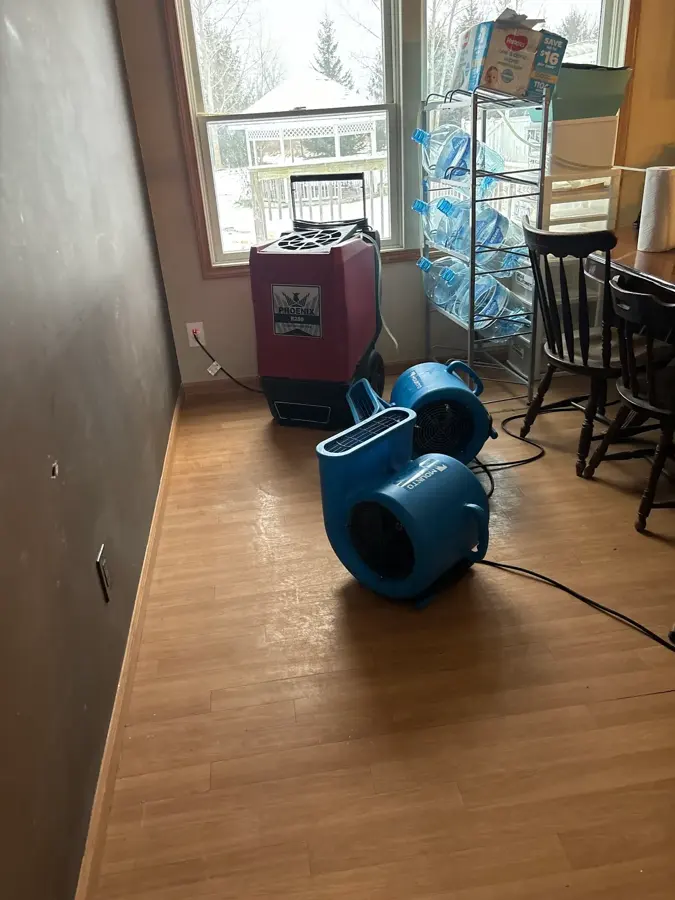
Steps to take while the water is still spreading
- 1
Stop the source
Shut the main valve if a pipe is running, switch off power to wet rooms, and keep everyone out of standing water until an electrician clears it.
- 2
Lift what you can
Move small furniture, rugs and electronics to dry ground, and bag wet paper goods before they stain or swell.
- 3
Photograph everything
Wide shots and close ups of the waterline, damaged finishes and any appliance labels support a later claim.
- 4
Call before cleaning up
Dispatch the crew before mopping or tearing anything out, because the readings taken first decide what has to be removed.
Every water service for New Hyde Park properties
Pick the problem that matches what happened, or call and the crew will sort it out.
Leaks inside the house
Source stopped first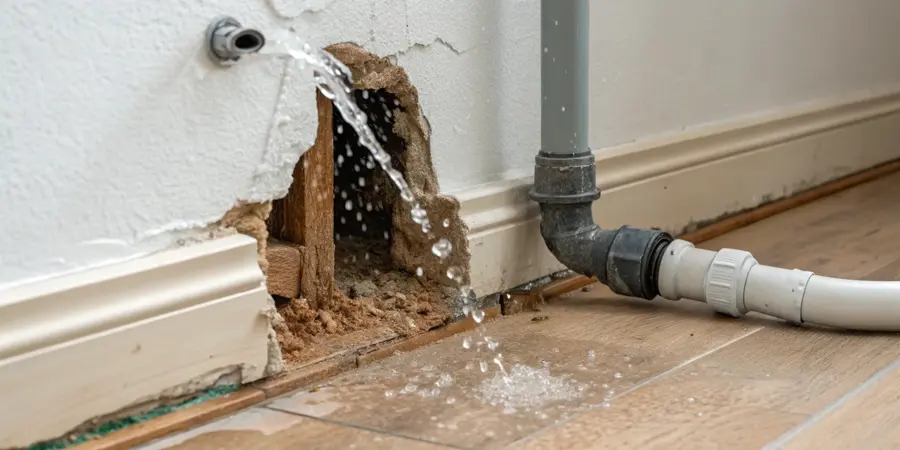 Burst Pipe Water DamageSplit supply pipes soak walls and floors fast, so extraction and cavity drying start together.See this service
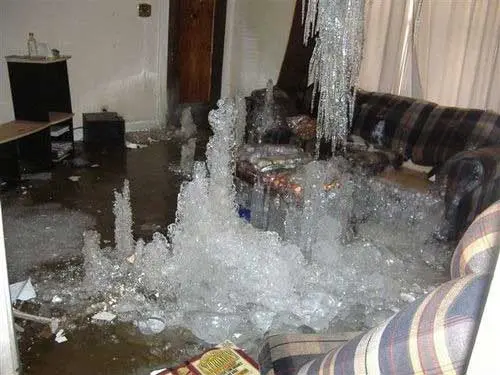 Frozen Pipe Water DamageA pipe that splits when it thaws wets exterior walls, so wet insulation comes out.See this service
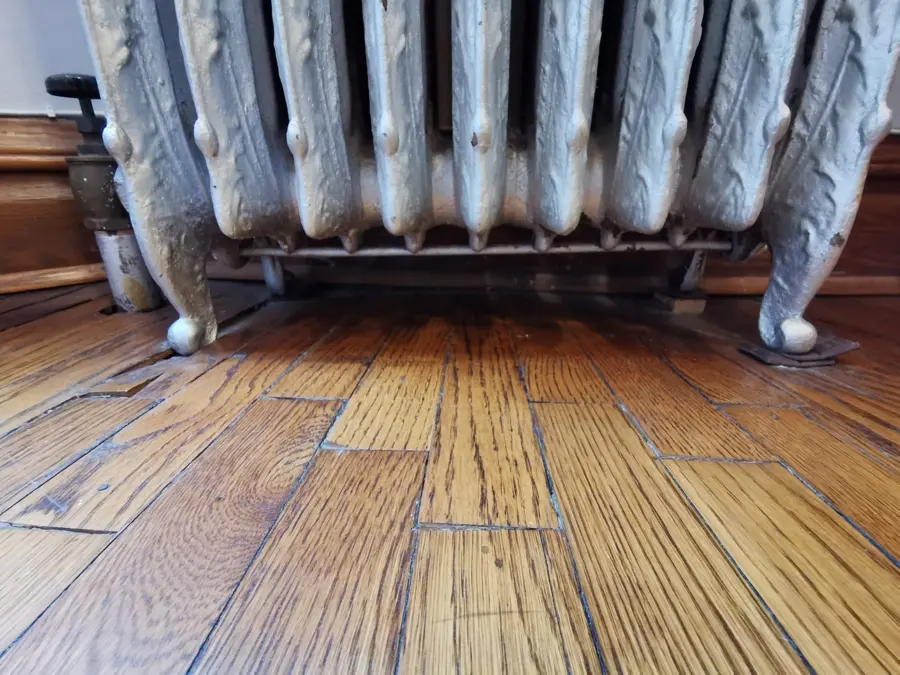 Radiator and Boiler Leak Water DamageLeaking radiators and boilers soak plaster, oak floors and the ceiling below with heating water.See this service
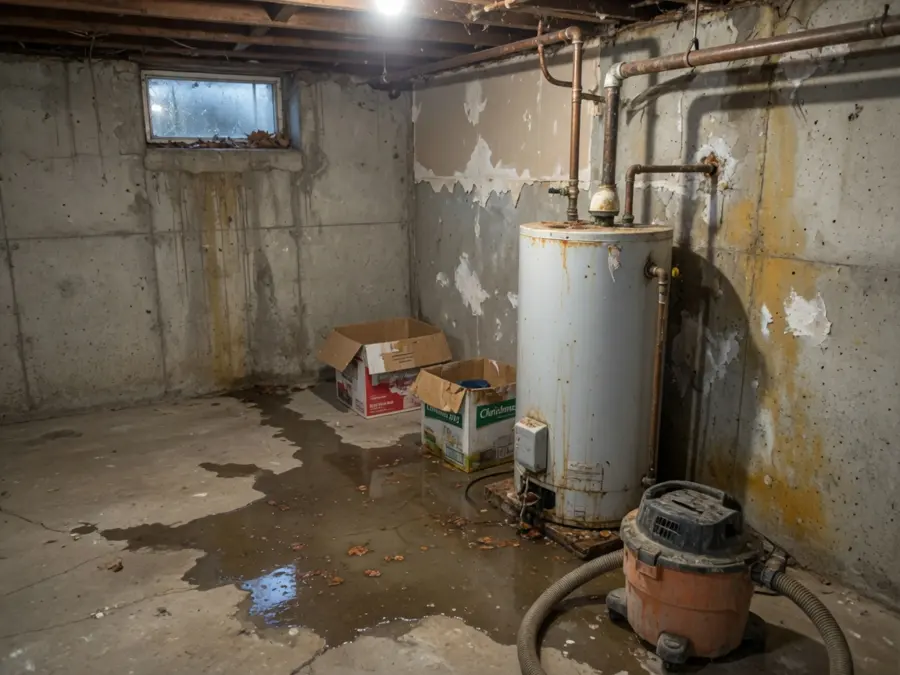 Water Heater Leak CleanupA failed tank empties fast; extraction and fans clear the floor.See this service
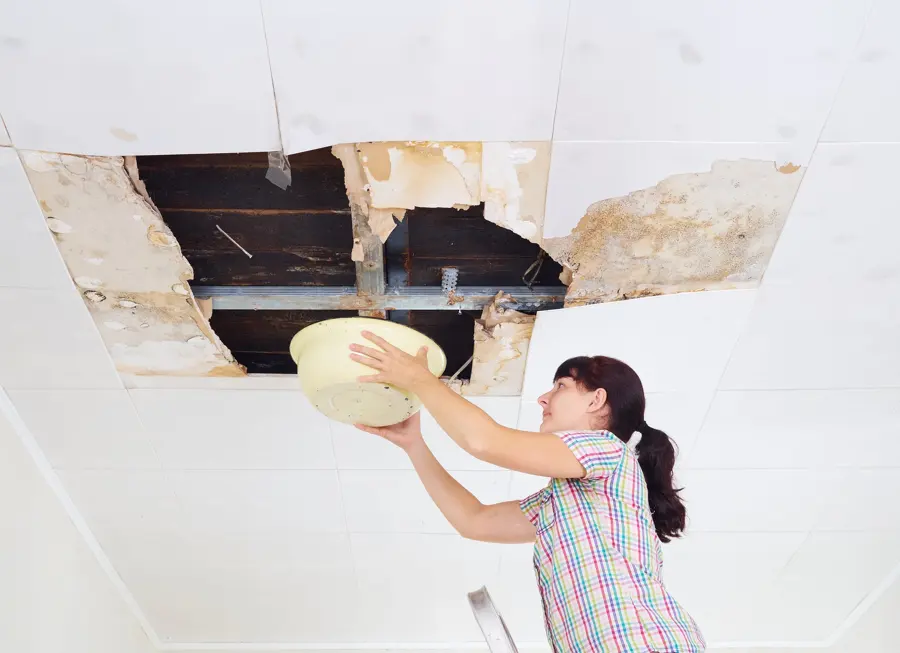 Ceiling Leak Water DamageDripping ceilings hide wet insulation and joist bays that dry only when opened and measured.See this service
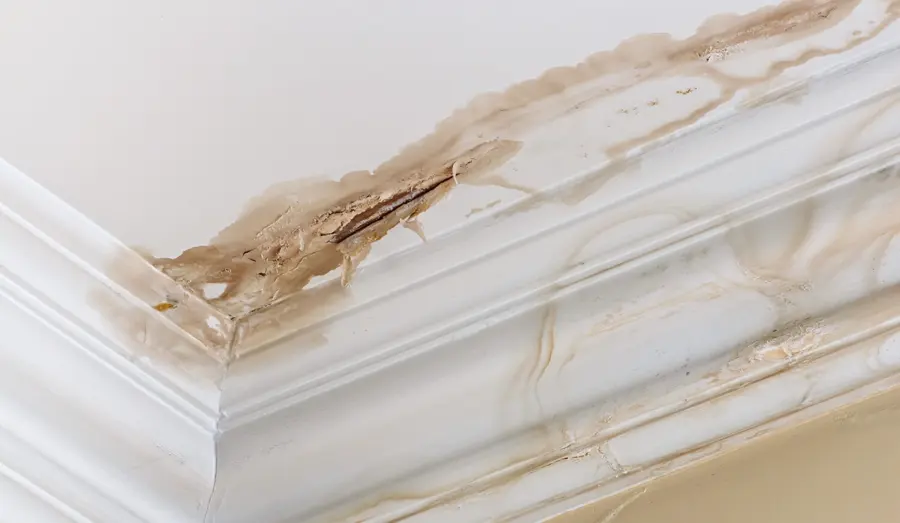 Roof Leak Water DamageRain that gets past the shingles lands in attics, ceilings and walls.See this service
Floods and backups
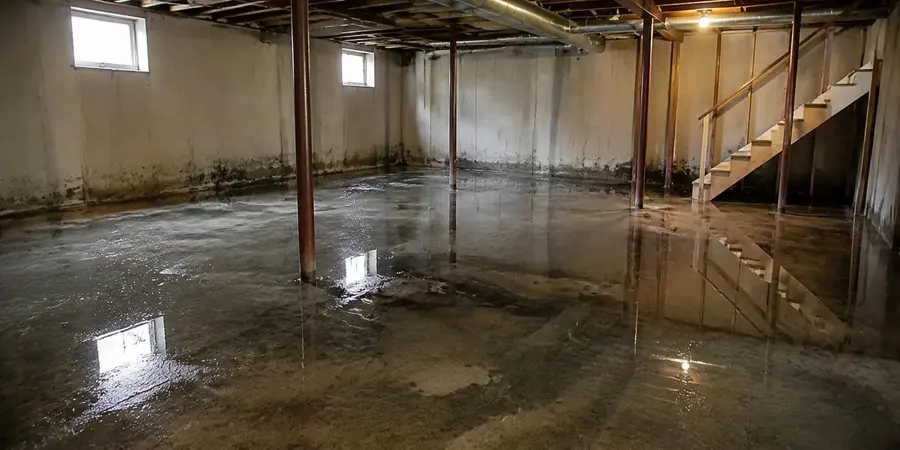
Basement and storm water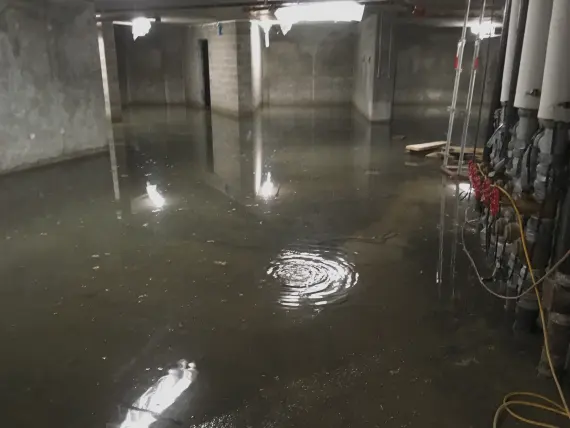 Basement Flood CleanupBasement floods get pumped out, stripped of wet finishes and dried down to the framing.See this service
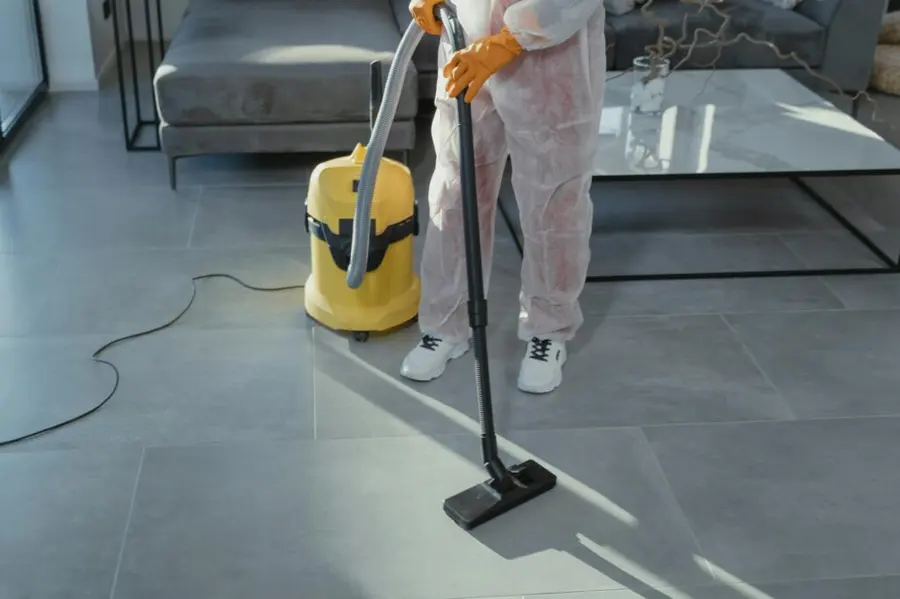 Sewage Backup CleanupSewage backups call for containment, protective gear and removal of everything porous it touched.See this service
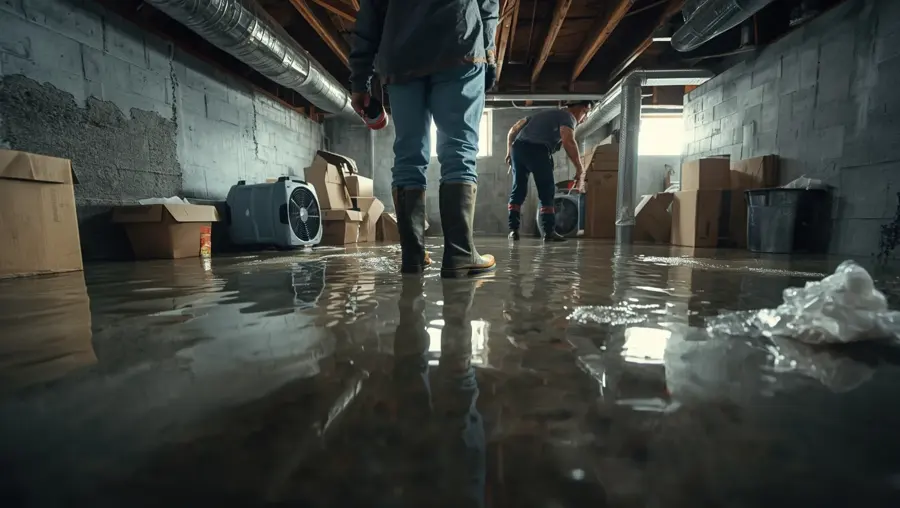 Storm and Flash Flood CleanupFlash flood water brings mud and debris, so cleanup treats it as contaminated.See this service
Removal and drying
Every size of property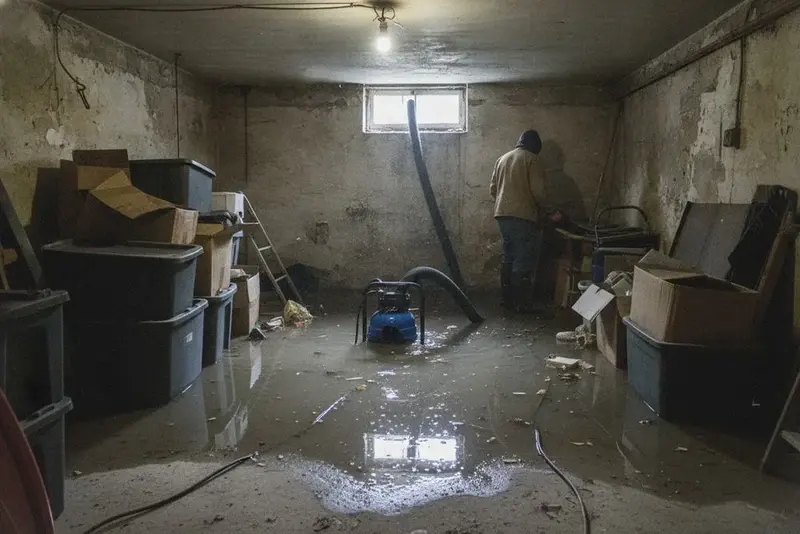 Water Extraction and RemovalTruck-mounted units remove standing water and press moisture out of carpet.See this service
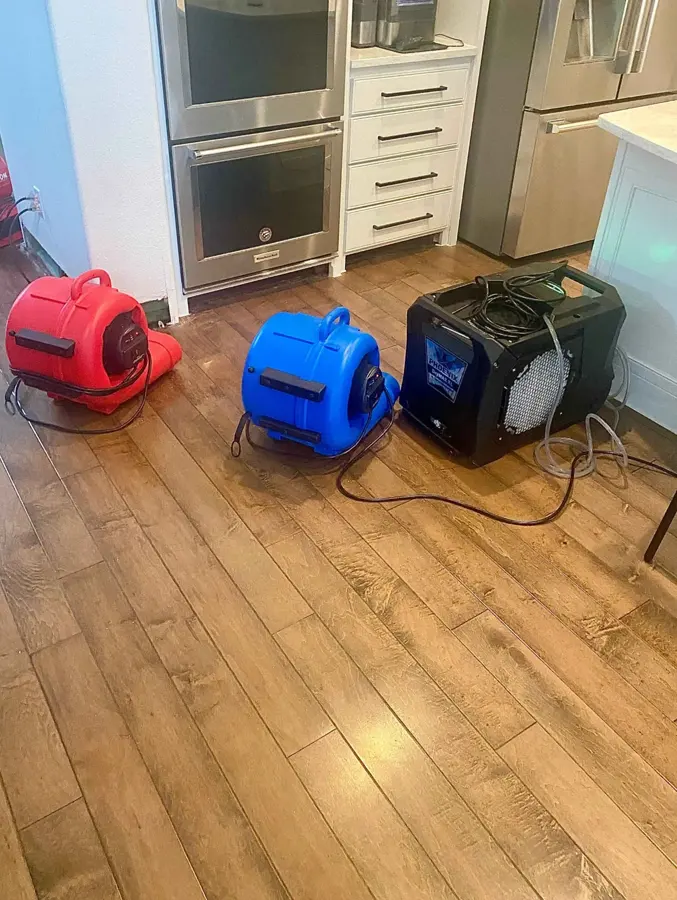 Structural Drying and DehumidificationDehumidifiers and air movers dry framing, subfloors and wall cavities until readings match dry standards.See this service
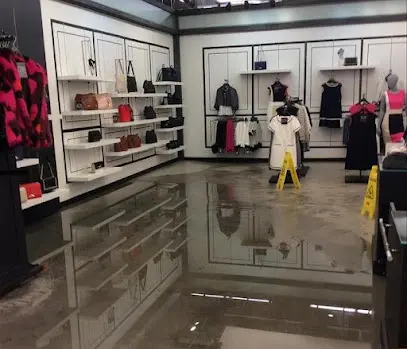 Commercial Water DamageShops, warehouses and offices get phased drying that keeps operations moving.See this service
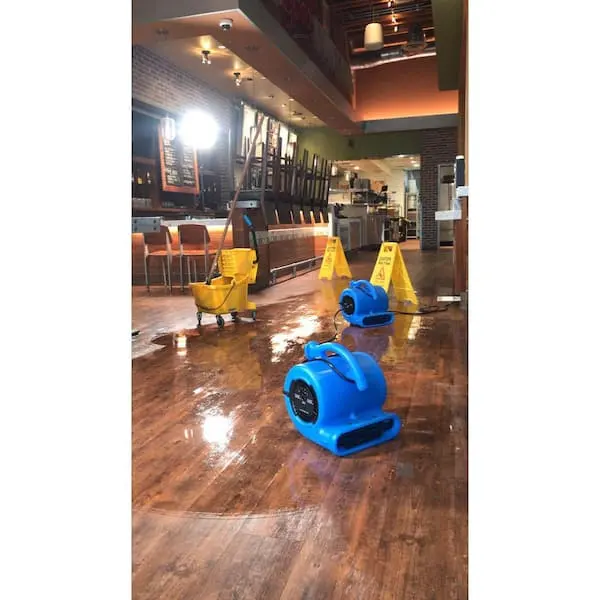
What water damage means for a Nassau County village
New Hyde Park is an incorporated village in Nassau County, and more than 75 percent of its land is used for single family homes, so the work is mostly house by house.
About 86.9 percent of housing units in the village are owner occupied, so a loss usually lands on a household making its own repair decisions. The crew works room by room, from the first meter reading to the final dry check, through water extraction and structural drying. Nearby Floral Park gets the same method.
See New Hyde Park water extractionHow a drying job runs, from meter to final reading
1. Find the wet areas
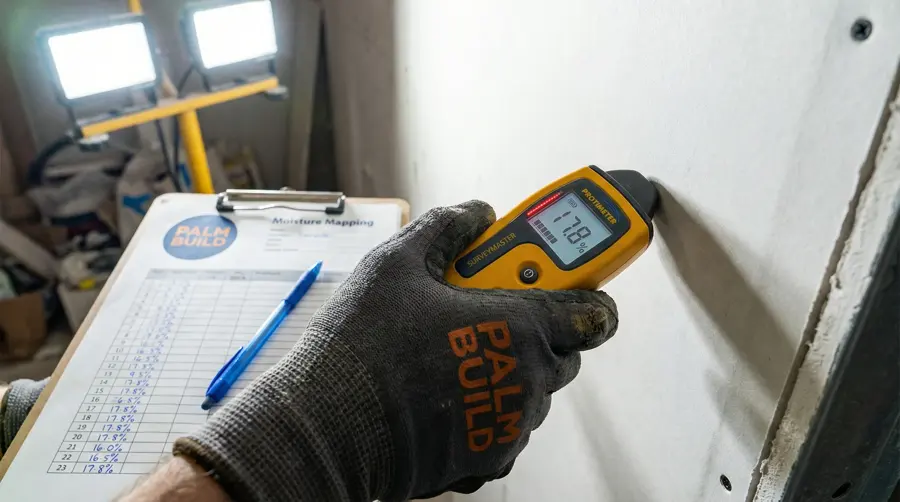
Meters and a thermal camera show where water traveled through floors, walls and ceilings, and the readings set the starting point.
2. Pull out standing water
Pumps and truck-mounted units take the bulk of the water first, since drying only works once the surface water is gone.
3. Set the drying equipment
Air movers push dry air across wet surfaces while LGR dehumidifiers pull the moisture out of the room and wall cavities.
4. Check and release
Technicians log readings every day and remove the equipment only when wet materials match the dry standard for that material.
S500 is the IICRC standard behind the method, and the daily log is what shows an adjuster that the structure reached a dry condition.
A crew that treats each house as its own job
Every New Hyde Park loss gets its own plan and its own readings.
Dispatch day or night
Water keeps spreading after hours and on weekends, so dispatch runs day and night and a crew is sent to the loss.
S500 documented drying
Drying follows IICRC S500, with a moisture map, equipment counts and daily readings that an adjuster can follow.
Sewage and storm ready
Protective gear, containment and antimicrobial steps are on hand for contaminated water, not just clean leaks.
Village permit awareness
A village permit applies to new plumbing and to replacing fixtures, so the crew points owners to the Village Building Department before any plumber starts.
What a New Hyde Park water loss usually costs
Most New Hyde Park water losses fall between $1,200 and $18,000, depending on the water category, how many rooms are wet and how long the water sat. Clean leaks stay near the low end, and sewage or storm water lands at the top.
- One room or hallway affected
- Extraction and air movers
- Readings logged every day
- Wall cavities dried out
- Wet insulation taken out
- LGR dehumidifiers running daily
- Category 3 handling throughout
- Porous materials removed
- Containment and antimicrobial wash
Cost moves with the water category, the square footage that got wet, how long it sat, and whether flooring and lower walls have to be removed.
Final numbers come from a written scope after an on-site walkthrough and the first round of moisture readings.
Three kinds of water, three levels of precaution
Category 1, clean supply
Water from a split supply pipe starts clean, then degrades the longer it sits in carpet.
See burst pipe cleanupCategory 2, used water
Washing machine, dishwasher or boiler water carries contaminants and needs more removal.
Open water extractionCategory 3, sewage and floods
Sewage and flood water is grossly contaminated, so porous materials come out.
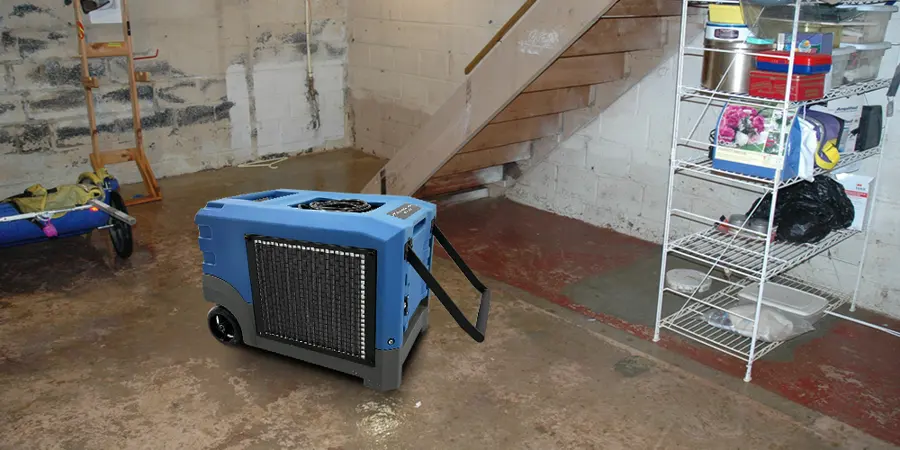
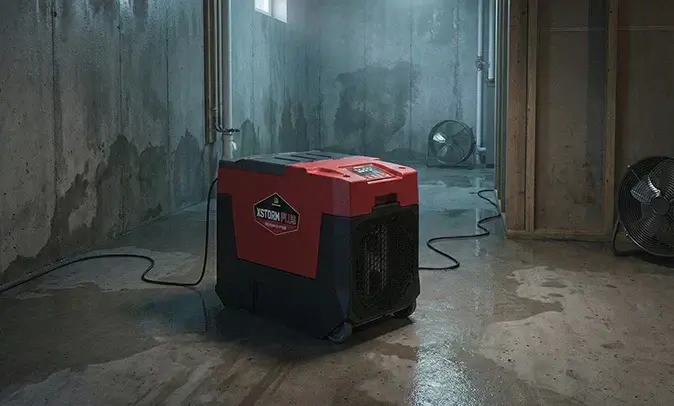
Read about sewage cleanupDrying equipment and conditions on a typical job
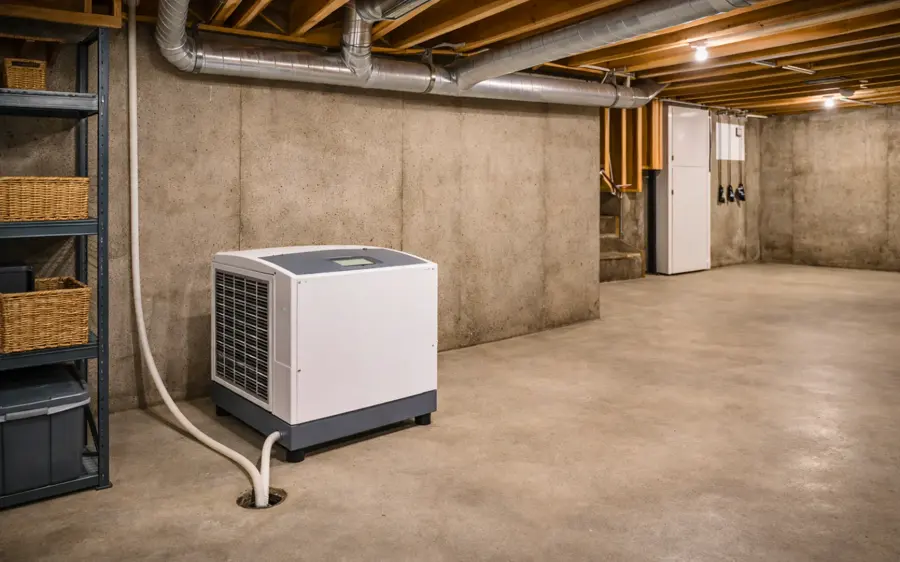
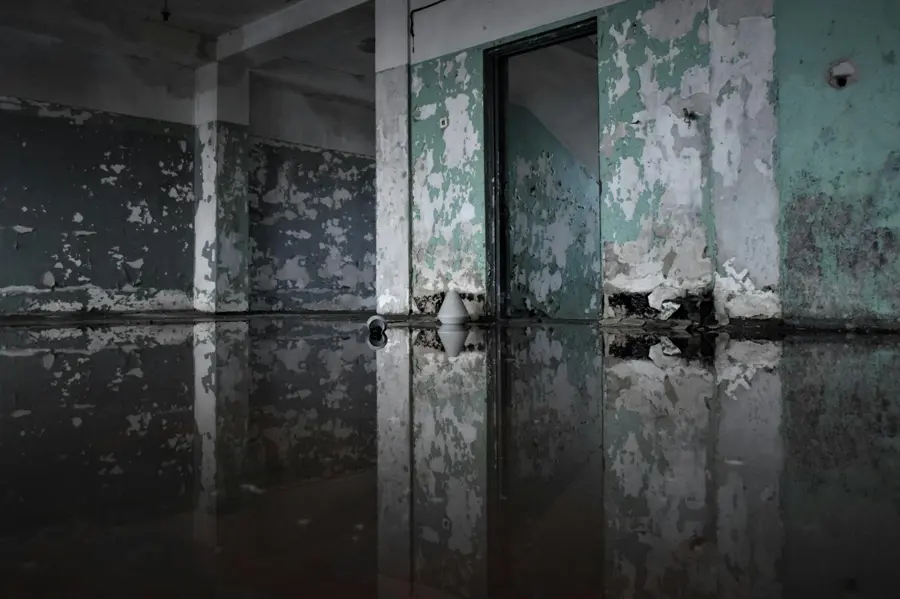
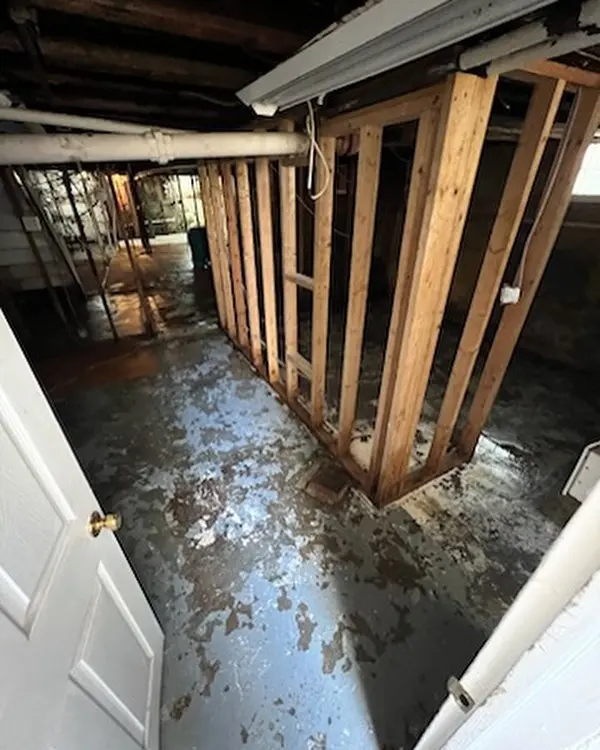
Photos show the kind of setups used during water damage work.
Water damage crews serve all of New Hyde Park
The crew works across the village, from the retail stretch of Jericho Turnpike to streets by Memorial Park, Nuzzi Park and Sakowich Park.
ZIP code covered here
ZIP code 11040 is the New Hyde Park postal code, and it also covers unincorporated areas outside the village. A broken pipe or a roof leak looks the same on either side of the ZIP boundary, so the crew confirms the exact location with the caller before dispatch.
Main corridors
Retail and warehouses
Parks and civic sites
Schools and library
Shared water supply
Water damage help for New Hyde Park, any hour
Dispatch for New Hyde Park runs day and night, and the crew starts with the source of the water, then the readings that set the drying plan. Knowing which floors are wet helps the crew bring the right gear.
How water reaches New Hyde Park homes and businesses
Flash flooding, plumbing failures and a working commercial strip each bring a different kind of water loss.
- Residents reported major flooding in New Hyde Park near Hillside Avenue and Lakeville Road on August 12, 2020.
- The Water Authority of Western Nassau County supplies the village, so any pipe loss starts with closing the home's own shutoff valve.
- Nassau County maintains the sewers that collect sanitary waste, and heavy rain can strain drainage until backups reach basements.
- The Department of Public Works runs the Village Stormwater Management Program, and storm water still collects fast where basements sit low.
Parts of the ZIP stretch past the village, and retail on Jericho Turnpike, warehouses near the Long Island Rail Road station and manufacturers add commercial losses of their own.
New Hyde Park water damage questions
How fast does water damage spread in a home?
Water moves through floors, walls and ceilings quickly, and wet drywall and carpet pad start to degrade fast. Mold can start growing within a day or two, so extraction and drying should begin right away.
What should be done first when a pipe bursts?
Close the home's main shutoff valve, switch off power to affected rooms and call for extraction. Photos taken before anything is moved help the later claim. See burst pipe cleanup.
Does the village require a permit for plumbing repairs?
A village permit is required for running new plumbing or replacing existing fixtures in kind, and plumbing permits are issued through the Village Clerk. The Village Building Department enforces the codes.
Who supplies water to the village?
The Water Authority of Western Nassau County supplies the village from groundwater aquifers beneath Long Island, and it also serves Floral Park and Elmont.
Is sewage backup different from a clean leak?
Yes. Sewage is Category 3 water, so crews wear protective gear, contain the area and remove porous materials such as carpet and drywall that touched it instead of drying them. See sewage backup cleanup.
What happened in New Hyde Park on August 12, 2020?
Central Nassau areas including New Hyde Park were under a flood advisory, a flash flood warning covered parts of northwestern Nassau County, and the Lakeville Estates Civic Association reported people rescued from cars.
How long does structural drying take?
A small room often dries in a few days, while a basement or dense materials take longer. Equipment stays until daily readings match the dry standard. See structural drying.
Does homeowner insurance cover water damage?
It depends on the cause and the policy. Sudden pipe bursts are often covered, while flood and sewer backup frequently need separate endorsements, so read the policy carefully.
Do commercial buildings get the same drying method?
Yes, with phasing. Shops along Jericho Turnpike and warehouses near the Long Island Rail Road station can keep part of the building working while one zone is dried and documented. See commercial water damage.
Can a flooded basement be dried instead of torn out?
Clean water in a basement often can be dried in place. Sewage or storm water makes porous finishes unsalvageable, and the lower walls are cut above the waterline.
Wet floors and walls in New Hyde Park need quick action
Call to describe the loss, and the crew will confirm the location, send the right equipment and begin extraction and drying.