Water Damage Restoration Great Neck, NY
Crews serve the Old Village, the hill neighborhoods and the village apartment buildings, pulling standing water, drying the structure and documenting every wet surface and moisture reading for the claim.
(888) 527-9860Get a crew to your Great Neck home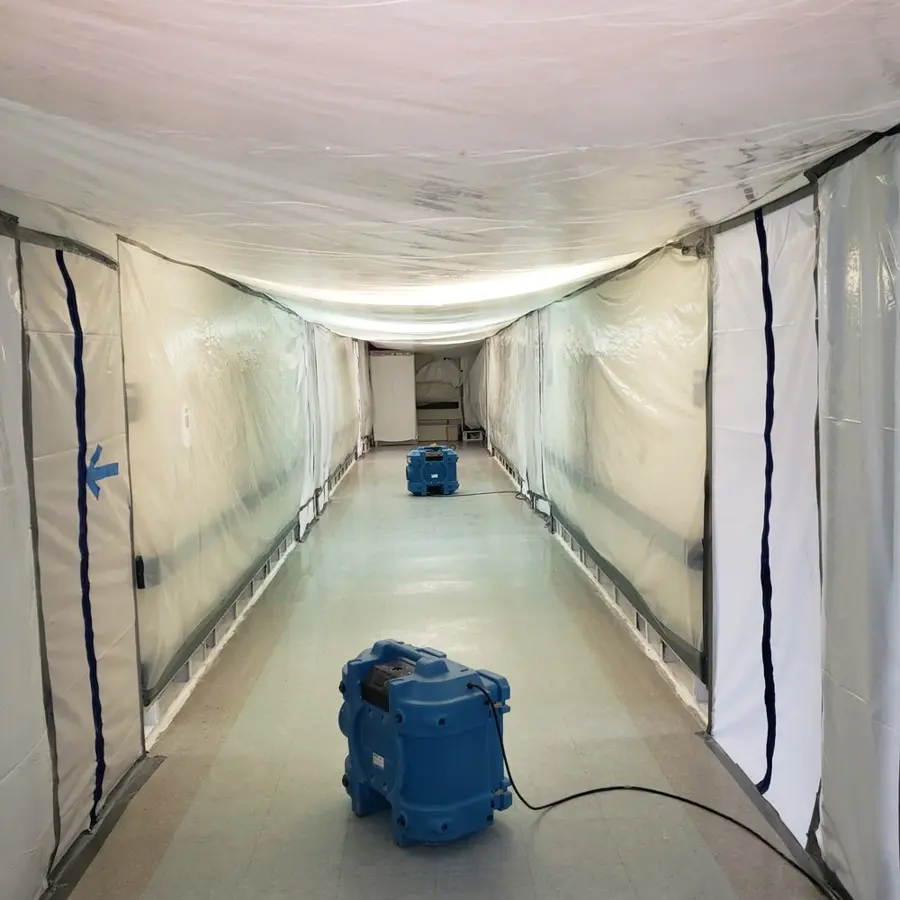
What to do before the crew reaches your house
- 1
Stop the water
Shut the valve at the fixture or the main, and switch off power to wet outlets and ceilings if the panel is safe to reach.
- 2
Call for a crew
Report the loss to the restoration crew and describe what is wet. A sewer backup also goes to the Great Neck Water Pollution Control District.
- 3
Take pictures first
Photograph the standing water, the damaged belongings and the wet walls before anything is moved, so the claim has a clear record.
- 4
Protect what is dry
Lift small furniture and rugs onto dry surfaces, keep children and pets out of wet rooms, and leave the heavy removal to the crew.
Every water service for Great Neck properties
Pick the situation that matches the damage, then open the full page for that service.
Pipes, boilers and heaters
Where the water starts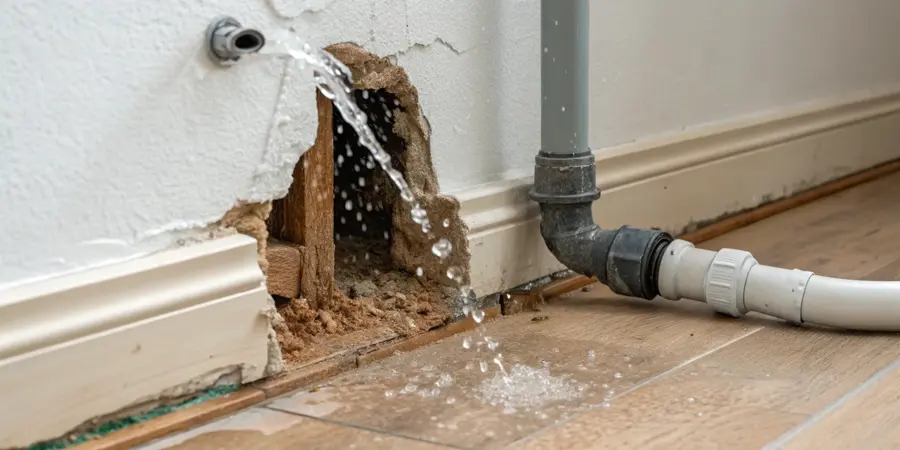 Burst Pipe Water DamageA failed supply pipe floods fast, and in an apartment building the water reaches the units below.Open the service
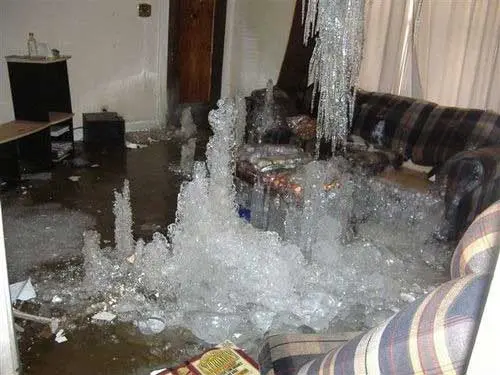 Frozen Pipe Water DamageA cold snap splits pipes inside exterior walls, and the flood starts at the thaw.Open the service
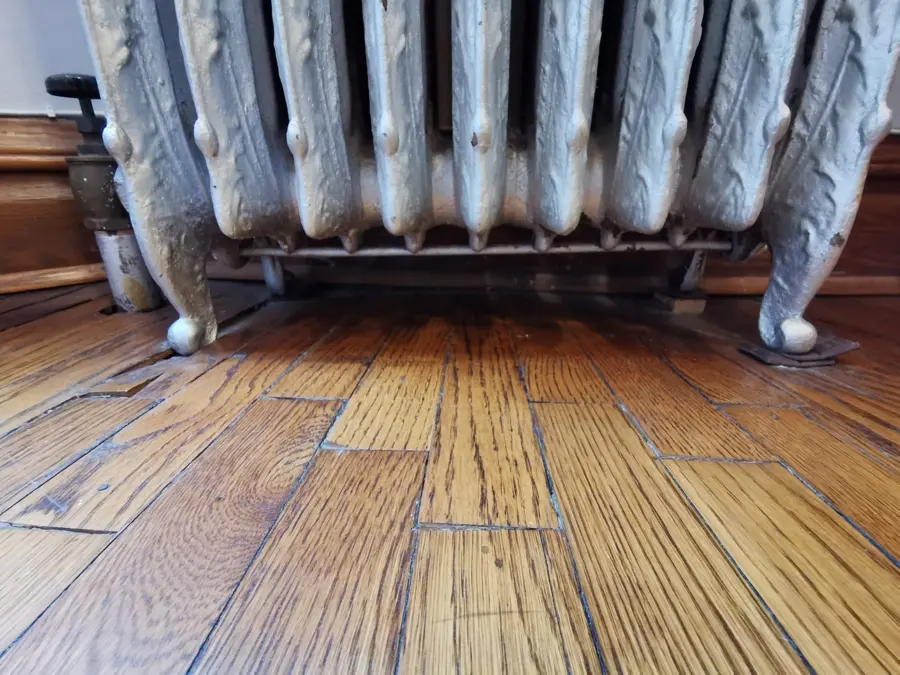 Radiator and Boiler Leak Water DamageA weeping radiator or failed boiler soaks floors, plaster and the ceilings of rooms below.Open the service
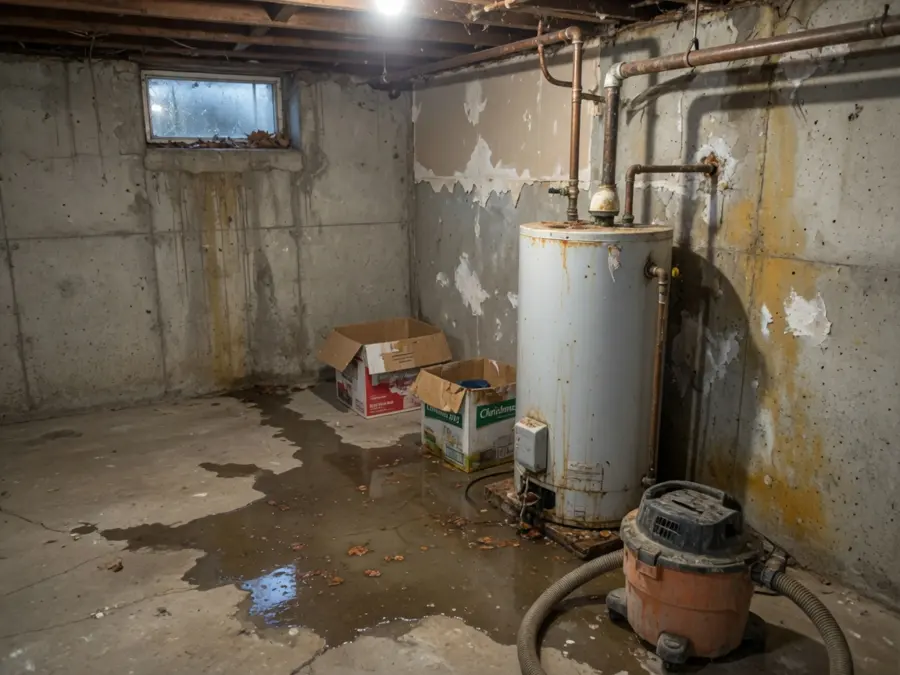 Water Heater Leak CleanupA failed tank empties onto the floor, often in a rental or shared building.Open the service
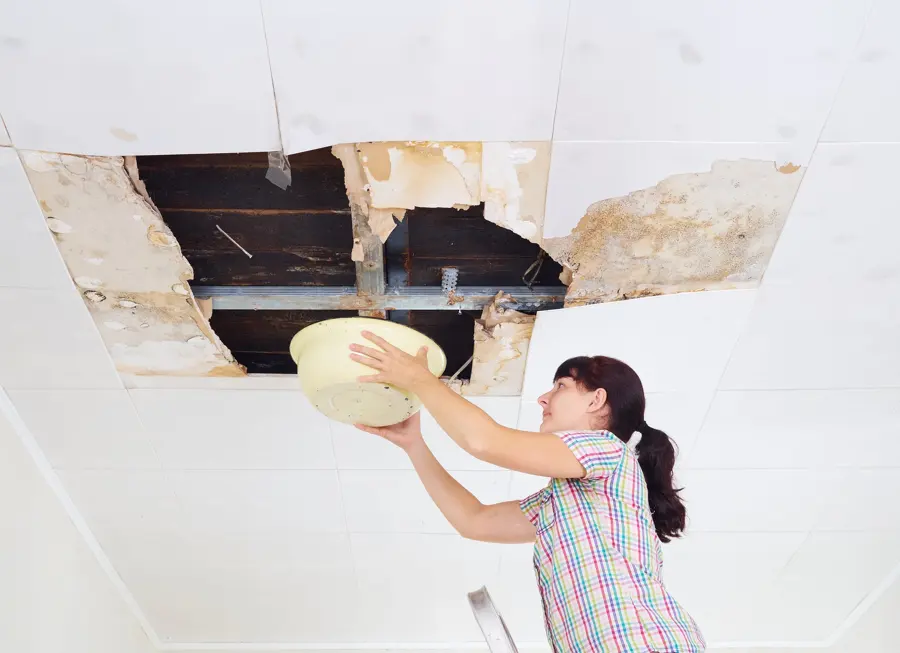 Ceiling Leak Water DamageCeiling water often comes from the unit above, so tracing the source comes first.Open the service
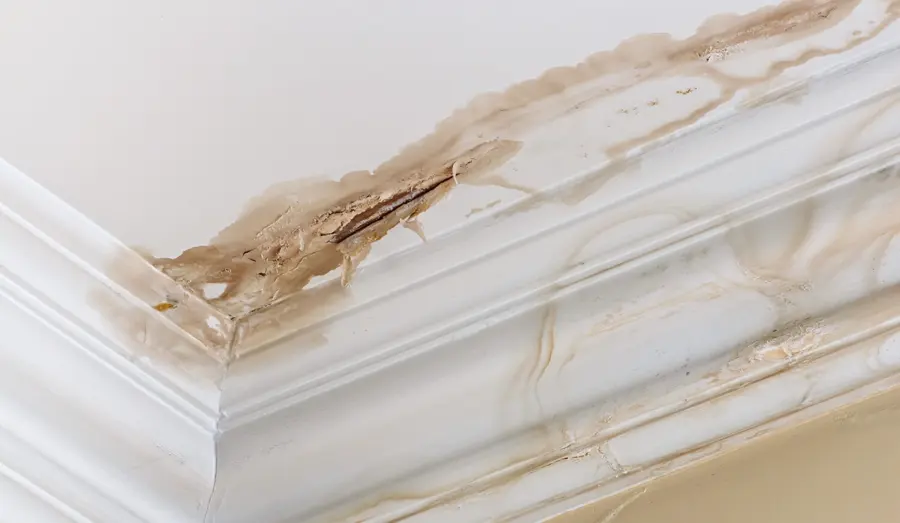 Roof Leak Water DamageRoof water runs down through the attic and ceilings into the rooms below.Open the service
Leaks, floods and backups
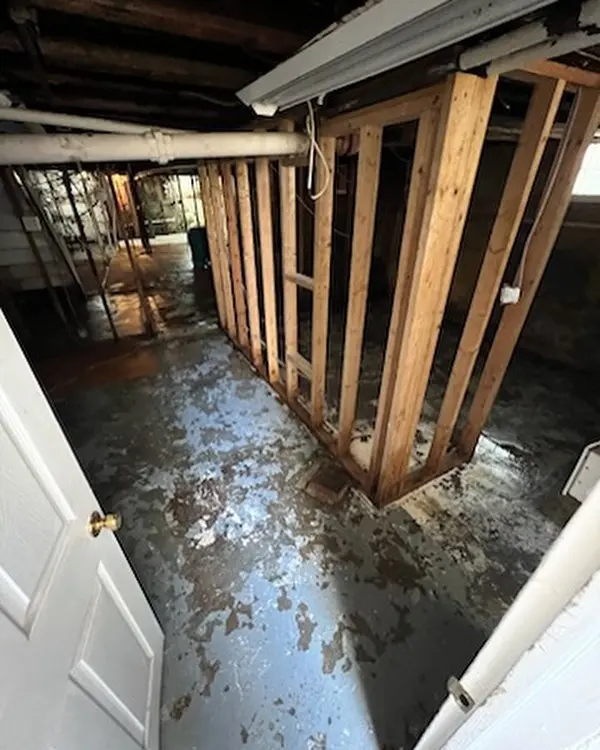
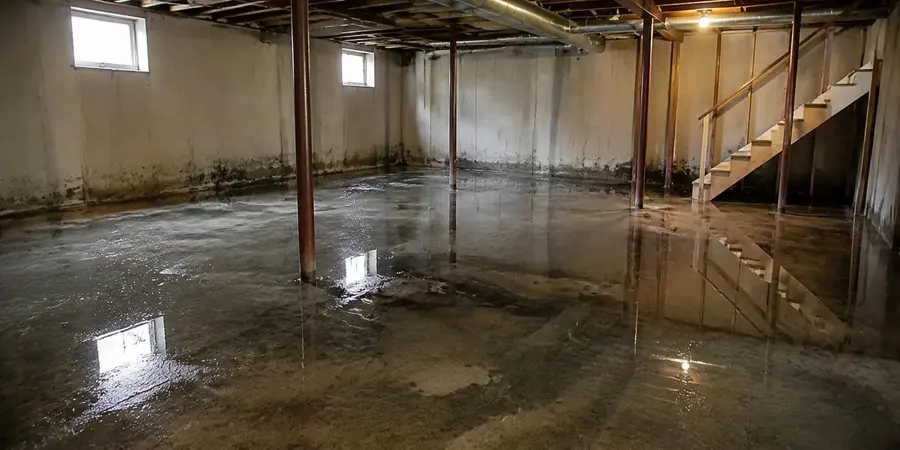
Lowest floor first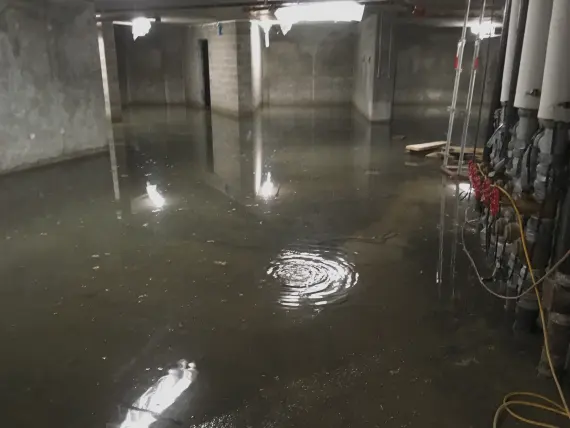 Basement Flood CleanupStanding water on the lowest floor is pumped out before the framing is dried.Open the service
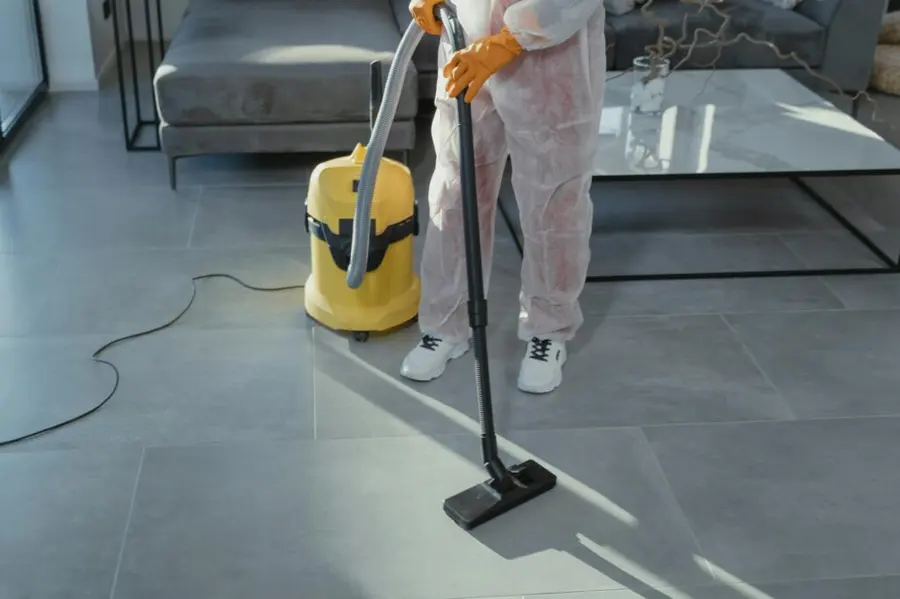 Sewage Backup CleanupBacked-up drains bring contaminated water that needs containment, removal and sanitizing.Open the service
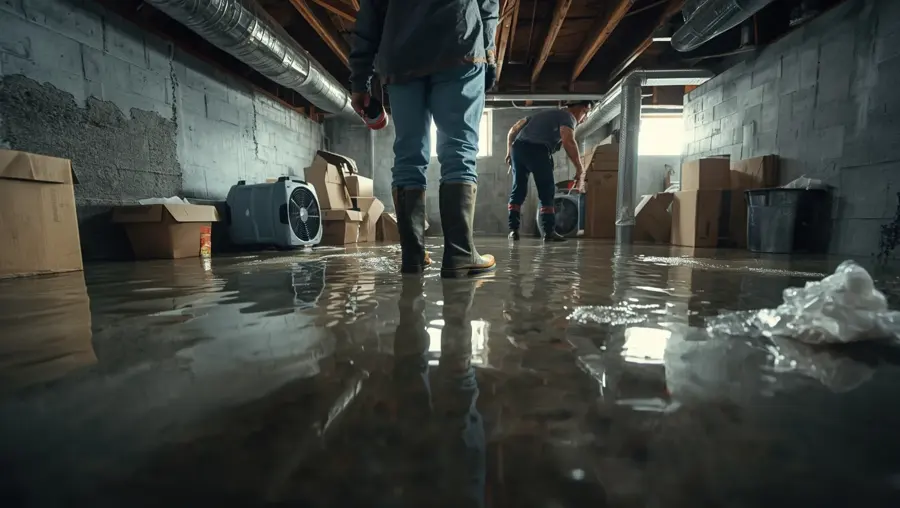 Storm and Flash Flood CleanupHeavy rain and flash flooding push water in from outside and leave mud behind.Open the service
Drying and larger losses
The whole building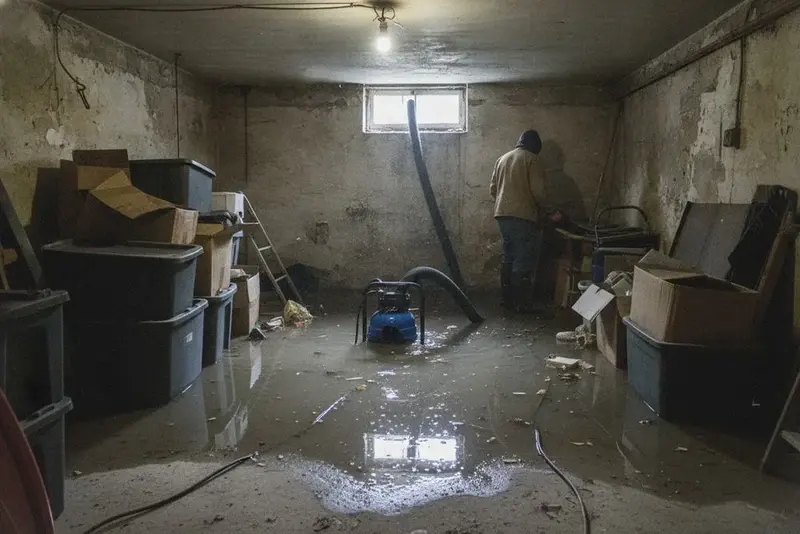 Water Extraction and RemovalTruck-mounted and portable units pull standing water out of floors and carpet.Open the service
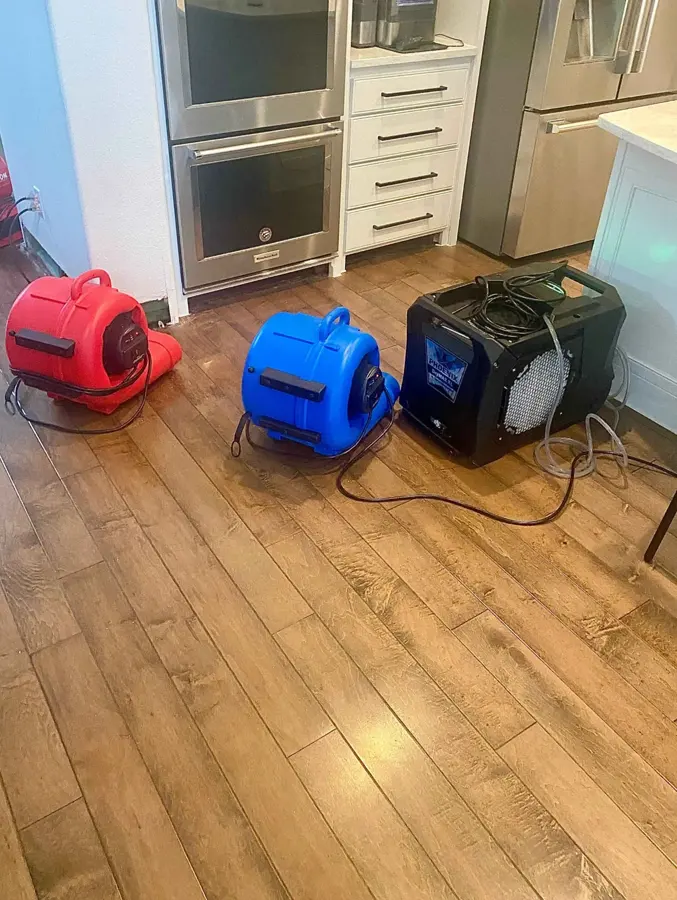 Structural Drying and DehumidificationAir movers and dehumidifiers bring wet framing and floors back to dry readings.Open the service
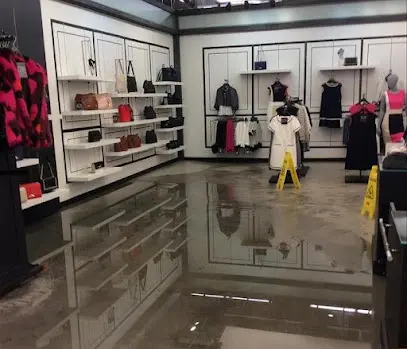 Commercial Water DamageShops, offices and apartment buildings get phased drying that keeps the rest open.Open the service
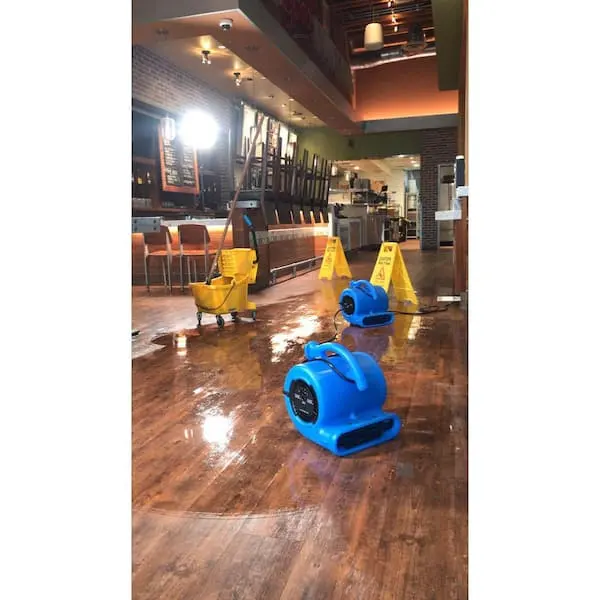
A village of houses and apartment buildings
The Village of Great Neck sits on the Great Neck Peninsula in Nassau County, and its mix of single-family houses and larger apartment buildings shapes how water spreads.
About 67.2 percent of housing units are single-family detached homes, while about 24.9 percent sit in buildings of 20 or more units. A leak in a house stays with one household, but a leak upstairs in a big building can reach several apartments, so water extraction and structural drying are sized to match.
See the water services for Great Neck homesHow each Great Neck loss is dried and documented
1. Map the moisture
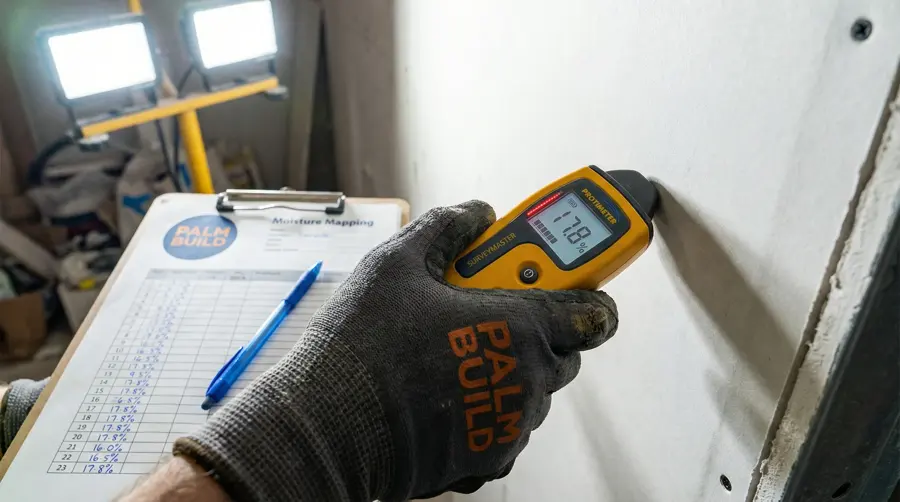
A technician scans floors, walls and ceilings with a moisture meter and thermal camera, marks the wet zone and records the starting readings.
2. Remove the water
Truck-mounted or portable extractors pull standing water first, and the crew presses carpet and pad before any equipment is set.
3. Dry the building materials
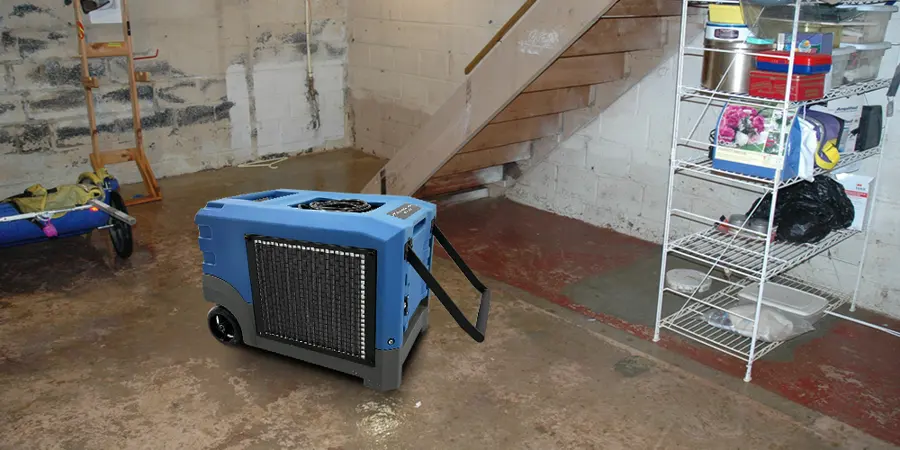
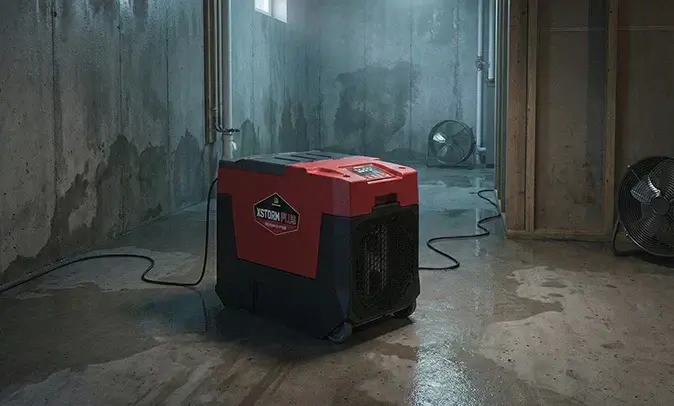
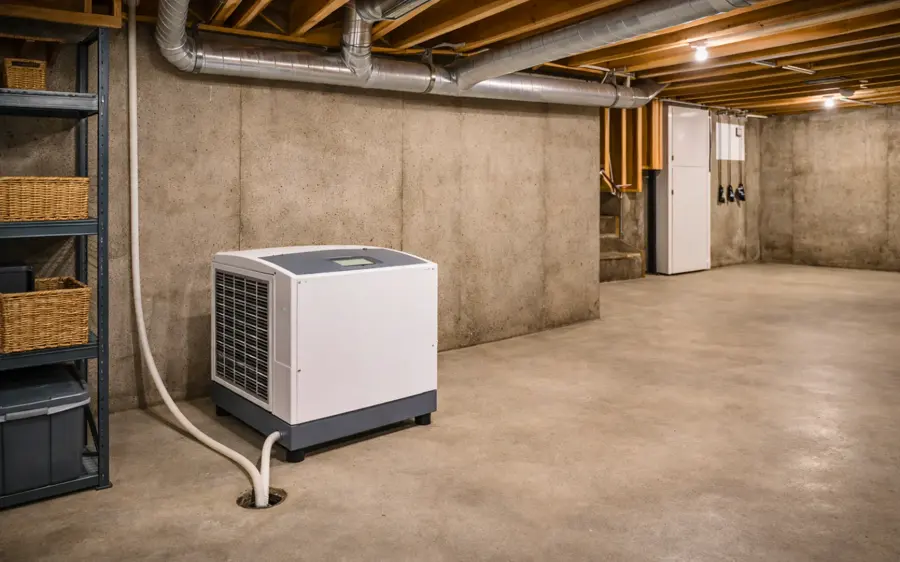
LGR dehumidifiers and air movers run against the wet framing and floors, with cavities opened or injected when moisture hides behind finishes.
4. Read until dry
Readings are logged daily, and equipment comes out only when each material reaches its dry standard and the numbers are saved.
Equipment stays until the readings, not the calendar, say the structure is dry, which protects the finished floors and walls from later trouble.
Crews that know village houses and big apartment buildings
These habits shape every job from the first call to the last reading.
Fast local dispatch
Dispatch runs around the clock for the Old Village, the hill neighborhoods and every street between, so a leak at night gets priority too.
IICRC S500 method
Drying follows the IICRC S500 standard, so moisture is mapped, goals are set for each material and equipment stays until readings confirm the result.
Clear paperwork for adjusters
Photos, logs and itemized records are organized so the carrier sees what was wet and what was done.
Village housing know-how
Single-family houses and shared apartment floors dry differently, so each job is planned around the building type.
What water damage cleanup costs in Great Neck
Costs run from about $1,200 for a small contained leak to $18,000 or more for contaminated, multi-room losses, depending on how long the water sat and how many materials are wet. Final numbers are written after a technician walks the property and reads the moisture.
- One room affected
- Extraction and air movers
- Readings every day
- Two rooms or a floor
- Wall cavities dried
- LGR dehumidifiers
- Category 3 handling
- Porous materials out
- Containment, antimicrobial
Price follows the size of the wet area, the water category, how long it sat, the type of flooring and how much has to come out before drying.
Every estimate lists the scope, the equipment and the materials removed, so the adjuster and the owner see the same numbers.
Clean, gray and black water are handled differently
Category 1 clean water
Supply pipes and failed tanks release clean water, and quick extraction keeps it from degrading into something worse.
See burst pipe damageCategory 2 gray water
Appliance discharge or clean water left standing for days carries contaminants and needs careful removal.
See water extractionCategory 3 black water
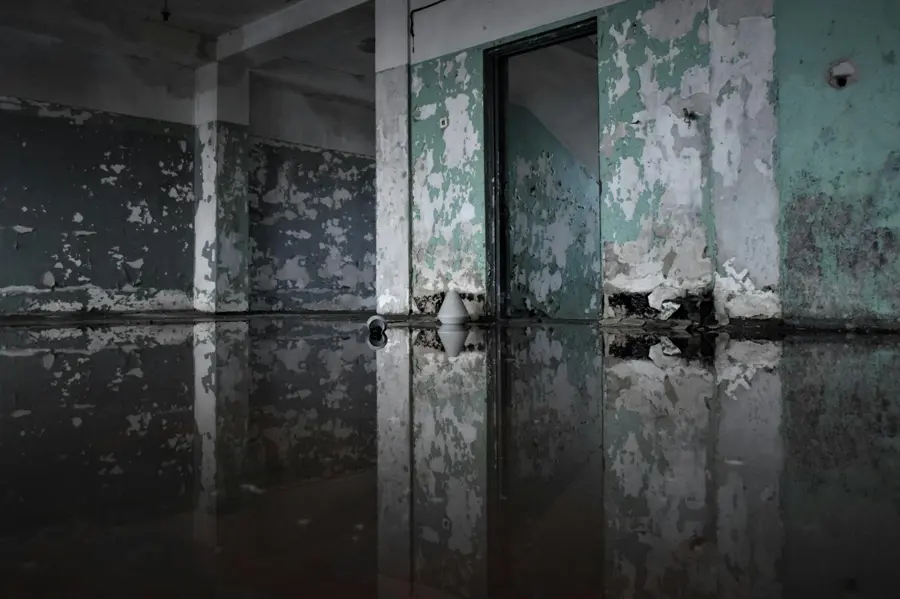
Sewage and storm floodwater carry pathogens, so containment and removal of porous materials come first.
See sewage cleanupWhat professional drying looks like on site
These photos show the equipment, readings and removal steps from a typical job.
Crews cover the whole Village of Great Neck
Service runs through the Old Village, the hill neighborhoods and every street from the Village Green to Steamboat Road, in houses and apartment buildings alike.
ZIP code served in the village
The village uses ZIP code 11024 for all of its streets. Crews working there know the Old Village, Baker Hill, Strathmore and the apartment streets. Great Neck Plaza, Great Neck Estates and Kings Point are separate villages, distinct from this one.
Old Village core
Hill neighborhoods
Harbor and mill roads
Village streets
Neighboring villages
Water in a Great Neck home or building? Call now.
Crews take calls around the clock for burst pipes, backups and storm water in the village. Describe what is wet, and a technician explains the next steps and schedules the walkthrough.
What shapes water damage in the Village of Great Neck
Housing mix, utilities and weather all affect where water goes and who is responsible for fixing the cause.
- About 24.9 percent of units sit in buildings of 20 or more units, so a failed pipe or ceiling leak often reaches neighbors.
- Sewer backups run through the Great Neck Water Pollution Control District, whose camera finds whether the blockage sits in the main or the homeowner's lateral.
- The August 9, 2022 lightning fire at Village Hall sent water from the roof and upper floor down to the bottom floor.
- A flash flood emergency covered northern Nassau County on September 1, 2021, after the remnants of Hurricane Ida.
Calls come from the Old Village on Middle Neck Road, from Baker Hill, Vista Hill, Weybridge, Strathmore and Nirvana Gardens, and from Steamboat Road, Arrandale Avenue and Tuscan Court.
Great Neck water damage questions
How soon should drying start after a leak?
As soon as the source is stopped. Wet drywall and framing begin to deteriorate within 24 to 48 hours, which is also when mold can start, so the crew sets drying equipment on the first visit.
Who fixes a sewer backup in the village?
The homeowner owns the lateral from the house up to the main sewer connection. The Great Neck Water Pollution Control District checks its main with a camera, and a restoration crew handles the sewage backup cleanup inside.
Does a leak in an apartment building spread?
Yes. With about 24.9 percent of village units in buildings of 20 or more units, water from one failed pipe can travel through floors and shared walls into neighboring apartments, so every affected unit gets its own readings.
What do technicians measure during drying?
They measure moisture content in framing, drywall and flooring, plus air temperature and humidity, and log the numbers every day until each material reaches its dry standard.
Will the crew work with my insurance adjuster?
Yes. Photos, readings and an itemized scope are prepared for the adjuster, but the policyholder decides whether to file and confirms what the policy covers.
Who handles a water main or sprinkler problem?
Water main and sprinkler problems go to the Water Authority of Great Neck North, the village's public water provider. Once water is inside the building, a restoration crew handles extraction and drying.
What happens when water comes through a ceiling?
The crew traces the source first, which in a large building is often the unit above, then opens the ceiling where insulation is wet. A ceiling leak is dried through the joist bay before anything is closed.
Can furniture and carpet be saved?
Hard furniture usually can be. Carpet and pad from clean water can sometimes be dried in place, but anything touched by sewage or floodwater is removed because it cannot be made safe.
Does the village require a permit for plumbing repairs?
The village Building Department provides permits to plumbers who work in the village and posts a Plumbing Permit Application for plumbing work, including oil to gas conversions.
Is storm water handled differently from a pipe leak?
Yes. Storm floodwater is Category 3, so the crew uses containment, removes porous materials and applies antimicrobial treatment before drying starts, while a clean supply leak is mostly extraction and drying.
Water in your Great Neck property needs a crew now
Describe the leak, the backup or the storm water, and a technician explains the next steps and schedules the walkthrough for the property.