Water Damage Restoration North Hills, NY
Crews dry out North Hills homes, townhouses and condominiums after pipe breaks, appliance leaks, storm water and sewage backups, then document every wet surface for the insurance file.
(888) 527-9860Call about a North Hills water loss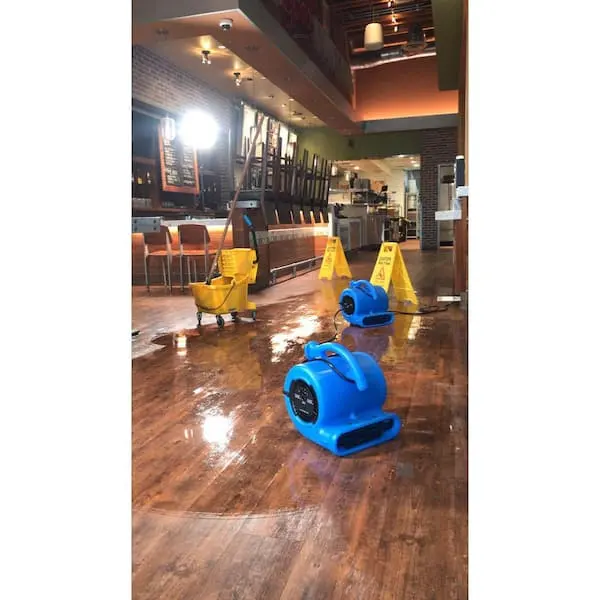
What to do before the crew arrives
- 1
Stop the water
Shut the main valve or the appliance supply, switch off power to wet rooms, and keep everyone out of standing water until the source is controlled.
- 2
Call dispatch early
Dispatch answers day and night, so an early call lets the crew load the right equipment.
- 3
Take pictures first
Photograph the wet walls, floors and belongings before anything moves, and keep damaged items for the adjuster.
- 4
Lift what you can
Raise rugs, books and electronics off wet floors, and leave soaked drywall and flooring for the crew to remove.
Twelve water services for North Hills properties
Each service below covers a different cause or stage of a water loss in the village.
Pipes, heating and roofs
Stop the source first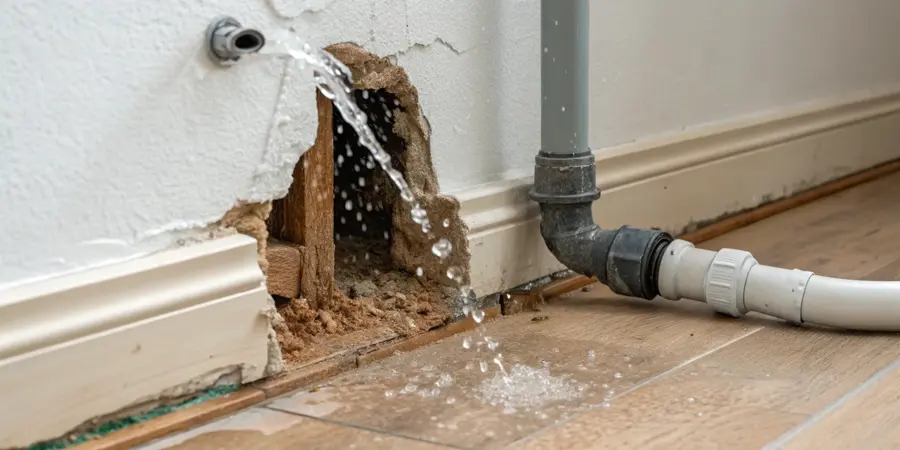 Burst Pipe Water DamageSupply pipe failures in kitchens, baths and walls, shut off, extracted and dried before drywall softens.Open the service
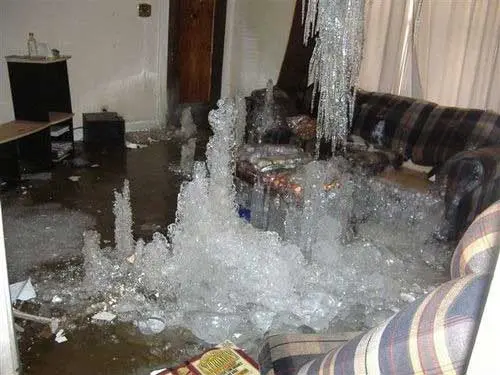 Frozen Pipe Water DamageWinter freeze splits found at the thaw, with wall cavities and ceilings below opened and dried.Open the service
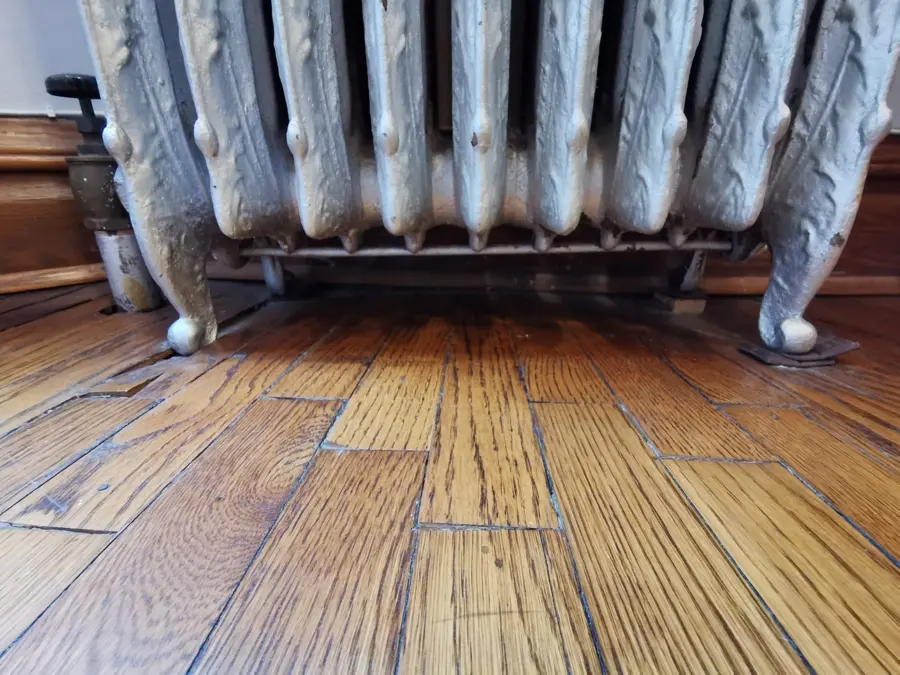 Radiator and Boiler Leak Water DamageHeating leaks in condominium and townhouse buildings, where water reaches the neighbor below.Open the service
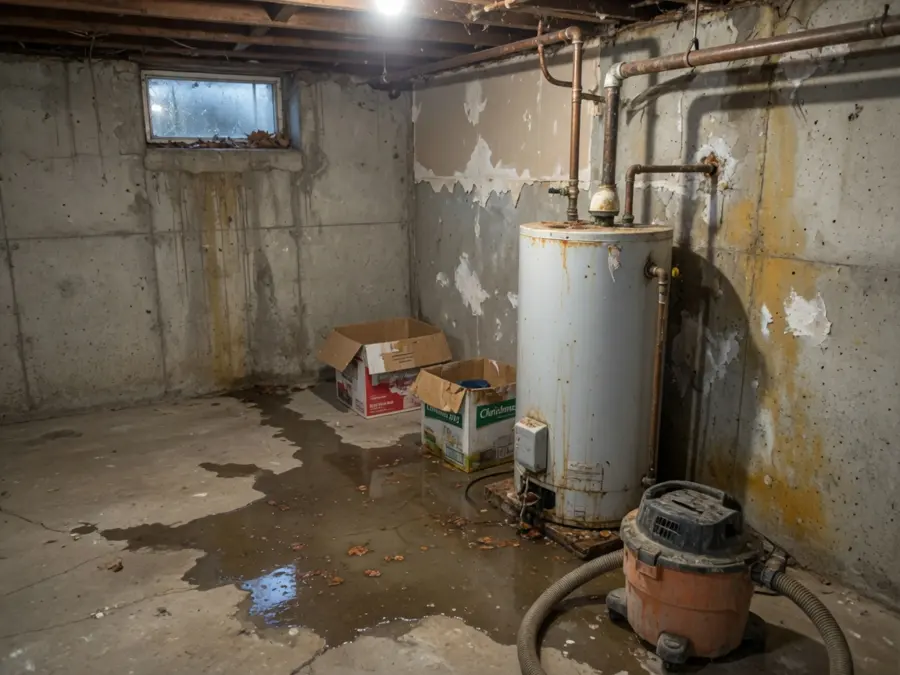 Water Heater Leak CleanupTank failures and fittings that let go, with wet flooring and lower walls dried out.Open the service
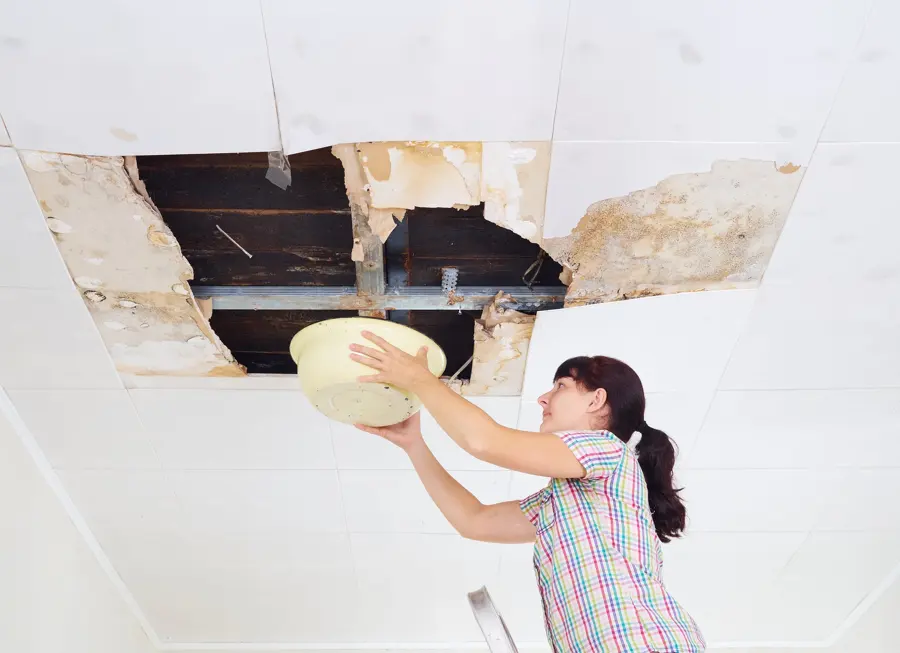 Ceiling Leak Water DamageStains and sagging drywall traced to the unit above or the roof, then opened to dry.Open the service
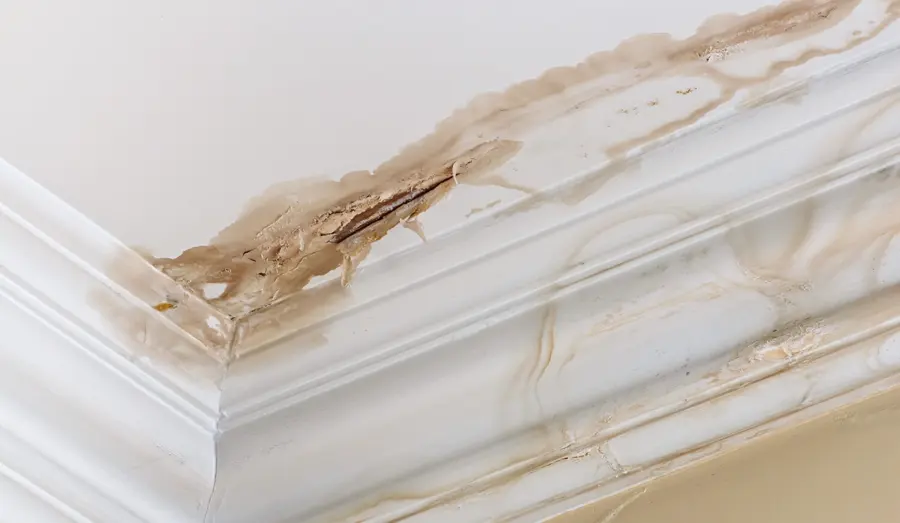 Roof Leak Water DamageStorm entry through shingles or flashing, with soaked insulation and ceilings handled together.Open the service
Basements and sewers
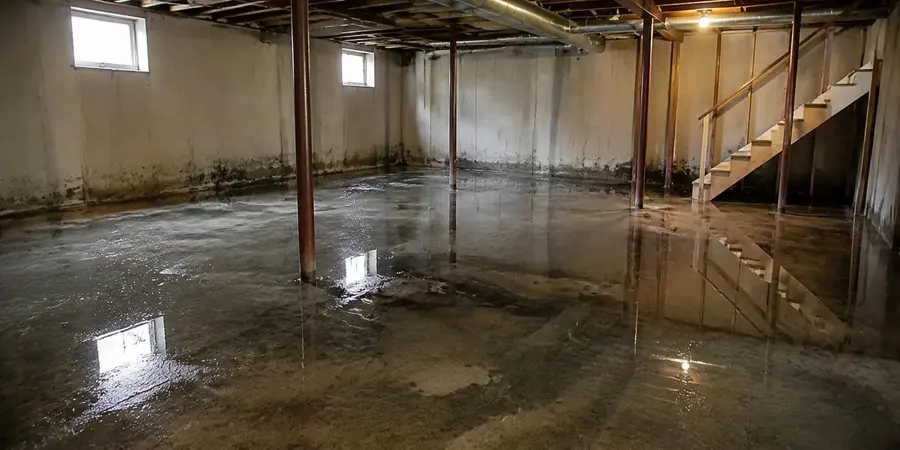
Lowest floor first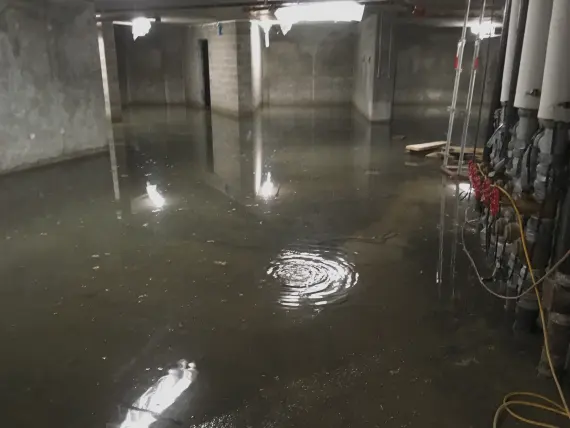 Basement Flood CleanupPump-out, wet carpet removal and drying for lower levels that took on water.Open the service
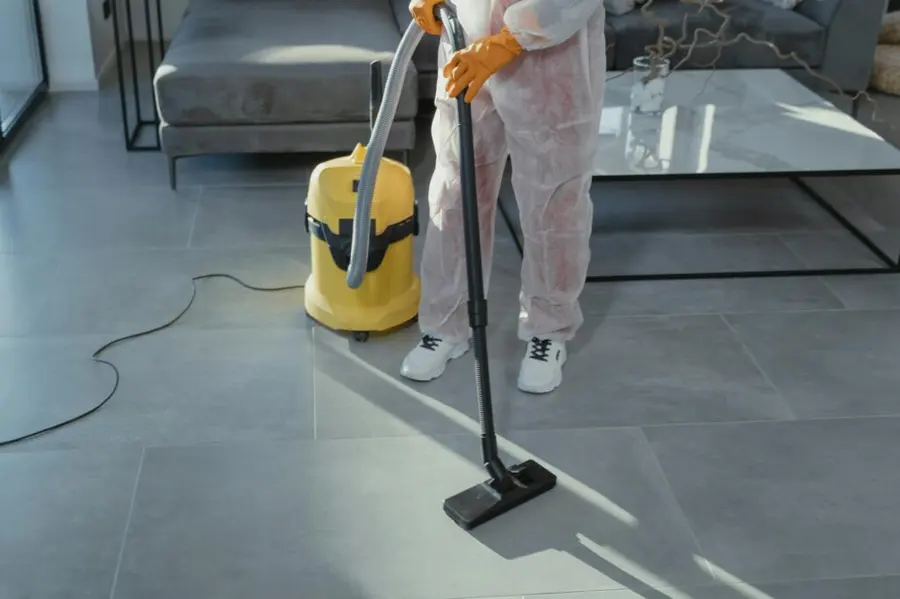 Sewage Backup CleanupContained cleanup of backed-up drains, with porous materials removed and surfaces sanitized.Open the service
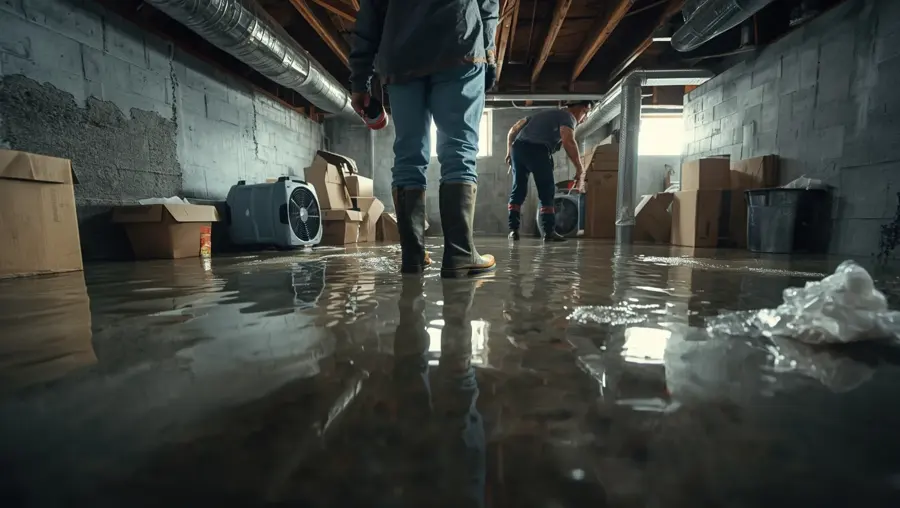 Storm and Flash Flood CleanupFlash flood water pushed into a lower level, extracted and cleaned before it settles into framing.Open the service
Drying and commercial
The whole building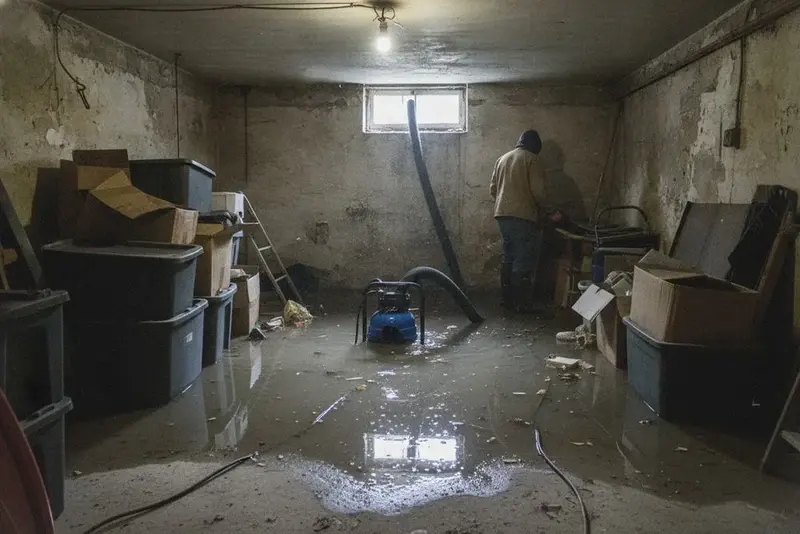 Water Extraction and RemovalTruck-mounted and portable removal of standing water from floors and carpet.Open the service
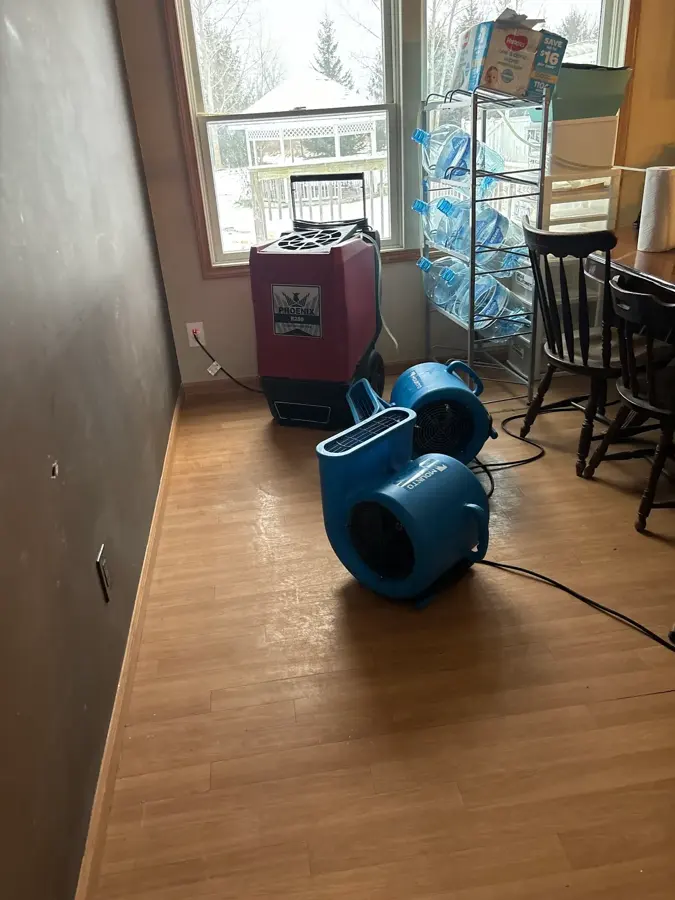
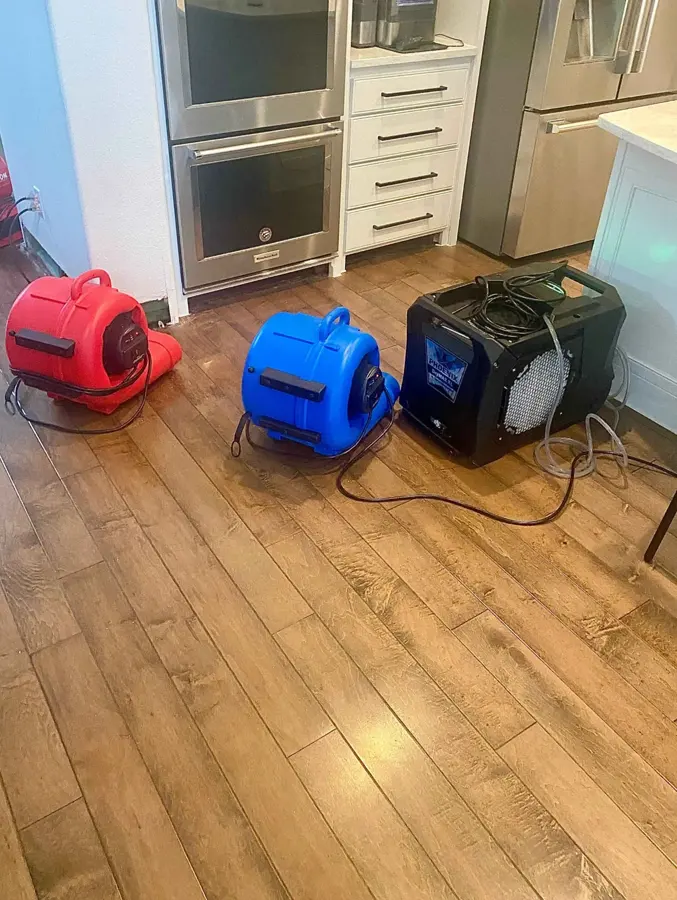 Structural Drying and DehumidificationDehumidifiers, air movers and daily readings that dry framing and floors to target.Open the service
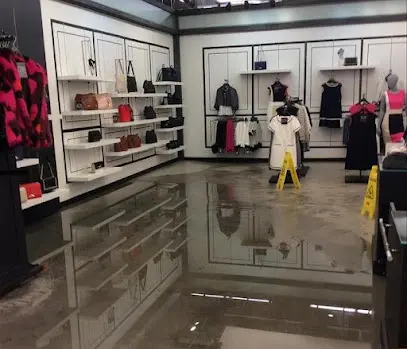 Commercial Water DamageWater losses in clubhouses, schools and multi-unit buildings, worked in phases around occupants.Open the service
Restoration for a village of homes and clubhouses
North Hills sits in the Town of North Hempstead in Nassau County, a village where townhouses, condominiums and single-family homes share the ground with country clubs and former estates.
The village describes its housing as subdivisions of privately owned homes and condominiums, which means water from one failed supply pipe or a leaking radiator can cross shared floors and walls. A water loss here is often a coordination job: the crew dries the unit, documents the path, and keeps the paperwork ready for the association and the carrier.
See how structural drying worksA measured process from wet to dry
1. Map the moisture
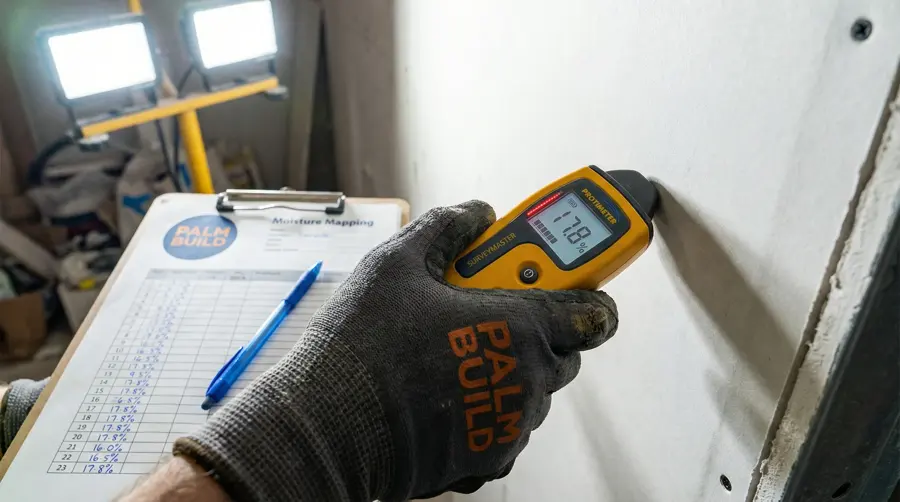
A meter and thermal camera trace water through floors, walls and ceilings so no wet pocket is left behind.
2. Remove the water
Extractors lift standing water from carpet and hard floors first, since removing liquid is faster than evaporating it.
3. Set the drying
Air movers and LGR dehumidifiers go in by room and material, with wall cavities and subfloors dried as their own targets.
4. Confirm it is dry
Readings are taken each visit and repeated until framing and flooring meet the dry standard, then the equipment leaves.
The method follows the IICRC S500 standard, and every reading lands in a drying log that the owner, an association manager or an adjuster can check.
Crews that understand shared walls and larger buildings
Four points matter most when a North Hills property gets wet.
Fast local dispatch
Dispatch answers day or night and sends a crew with pumps, air movers and dehumidifiers already on the truck.
IICRC S500 method
Drying targets come from the S500 standard and from readings, never from a guess about how long a room should take.
Shared building awareness
Technicians check floors, ceilings and walls on neighboring levels, since condominium and townhouse water rarely stays in one unit.
Permit awareness
Structural, plumbing and mechanical repairs need a Building Department permit, so the crew separates drying from rebuild work.
What water damage restoration costs in North Hills
Most North Hills jobs fall between $1,200 and $18,000 or more, depending on how long water sat, how many rooms it reached and whether it was clean, gray or sewage water. The tiers below show the spread, and the written scope after the walkthrough sets the real figure.
- One room wet
- Extraction and air movers
- Daily readings logged
- Two levels affected
- Wall cavities opened
- LGR dehumidifiers
- Category 3 handling
- Porous finishes removed
- Containment and antimicrobial
Cost climbs with the hours water sat, the number of floors reached, the water category, and how much flooring and drywall has to come out before drying.
The written scope lists each removed material and each machine placed, so a carrier or association manager can check it.
Three water types and how each is handled
Category 1 clean water
Supply pipe and tank water starts clean but worsens the longer it sits in carpet and framing.
See burst pipe responseCategory 2 gray water
Appliance overflow and water that sat for days carries bacteria, so porous items usually go.
Open water extractionCategory 3 black water
Sewage and storm flood water carry pathogens, so the crew contains the area and removes anything porous.
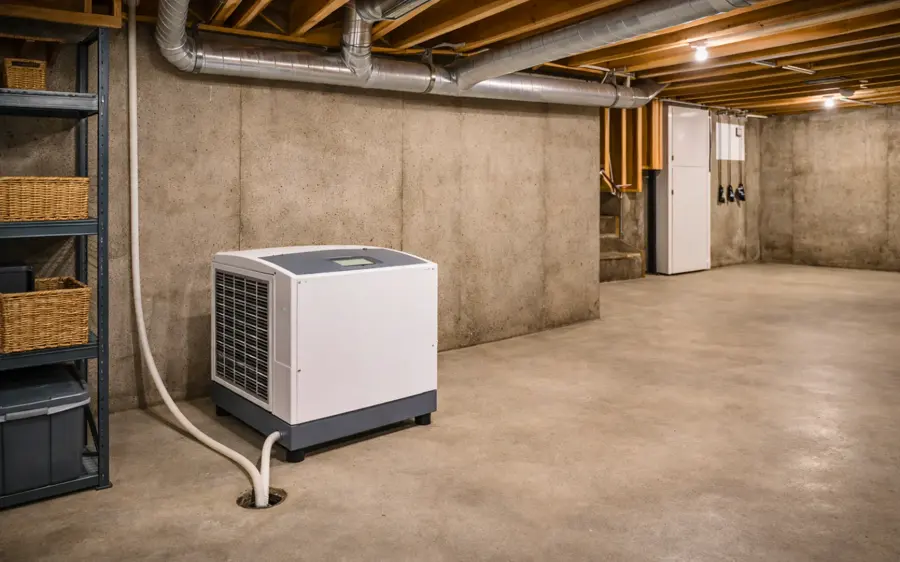
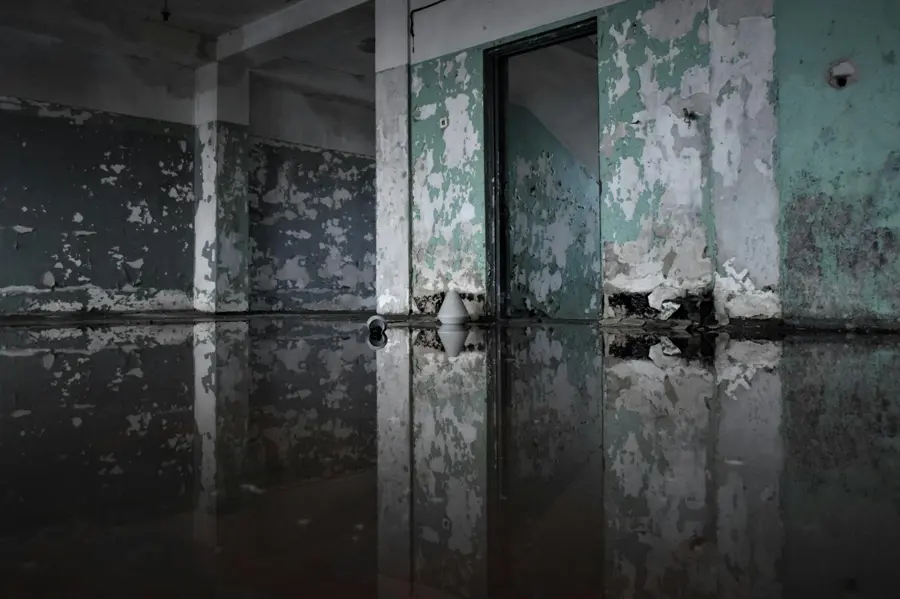
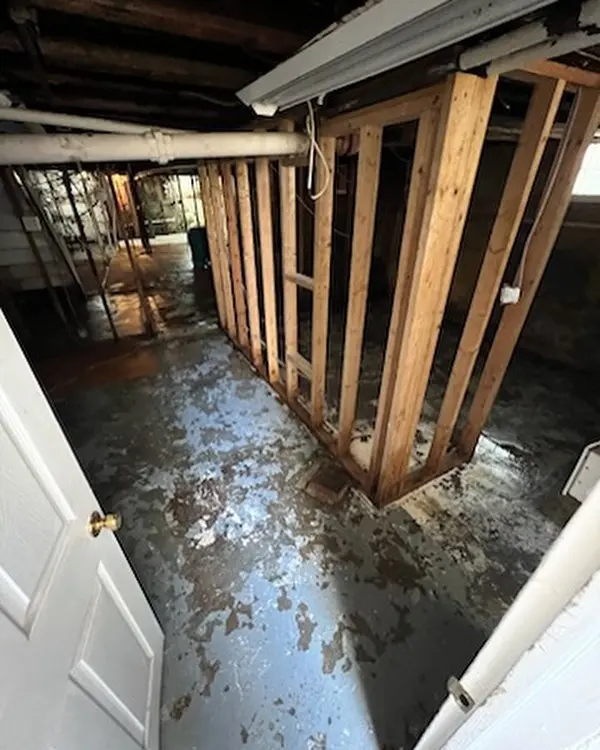
See sewage cleanupDrying equipment and conditions on a typical water job
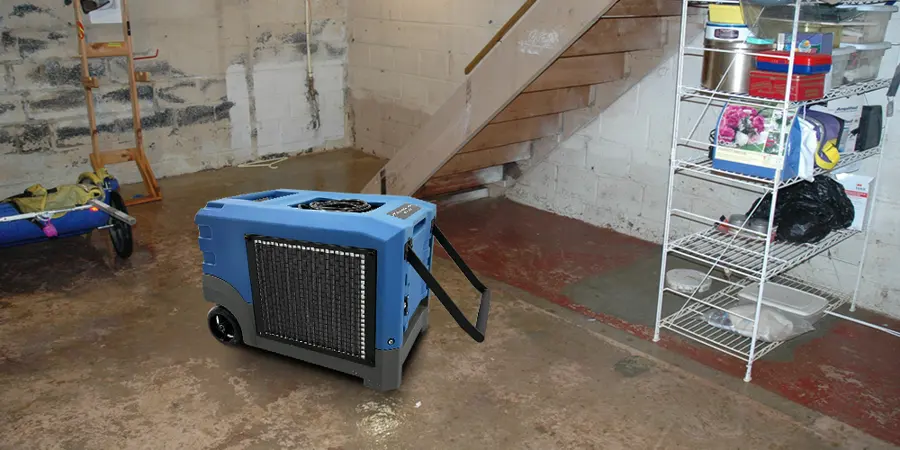
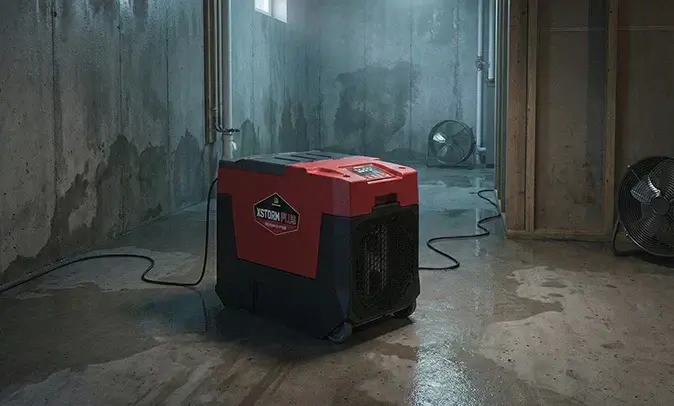
Photos show the equipment, readings and conditions the crew works in.
Where crews work across North Hills
Crews work throughout the Village of North Hills, from the condominium communities to the country clubs and the roads that connect them.
ZIP codes served
The village uses five ZIP codes, with Manhasset 11030, Roslyn 11576, Roslyn Heights 11577, New Hyde Park 11040 and Albertson 11507 all in use, so a North Hills address may carry a mailing town that differs from the village name.
Communities
Main roads
Parks
Clubs
Civic and school
Request a North Hills crew any hour
Dispatch answers North Hills calls around the clock and sends a crew with extraction and drying equipment. Describe where the water came from, which floors are wet and whether power is still on, and the crew plans the first visit.
Terrain and housing that shape water risk here
North Hills is hilly, and the mix of condominiums, townhouses and large clubhouses shapes how water moves.
- Condominium and townhouse communities such as The Gates at North Hills and High Point share floors and walls, so one leak reaches neighbors.
- Long Island saw an August 2024 rainstorm with a regional flash flood emergency, a reminder to check lower levels and roof drainage.
- Large roofs on clubhouses, mansions and multi-unit buildings give storm water more places to enter, and a leak can run far before it shows.
- Newsday experts say hilly areas of the North Shore may be vulnerable to flash flooding.
Crews respond to subdivisions such as Gracewood at North Hills and The Links at North Hills, as well as clubhouses like Deepdale Country Club and Strathmore Vanderbilt Country Club.
North Hills water damage questions
What should an owner do first after a water leak?
Stop the source, switch off power to wet areas and photograph everything. Then call dispatch so the crew can start extraction before water spreads into framing.
How long does drying take?
Most rooms need several days of equipment time, and structure such as framing or subfloors can take longer. Readings, not the calendar, decide when the machines leave.
Can a leak from a neighbor's unit be handled too?
Yes. In condominiums and townhouses, a ceiling leak from above can soak walls below, so the crew documents each affected unit and its readings for the association and carriers.
Is sewage water handled differently?
Yes. Sewage is Category 3 water, so the crew seals the area, wears protective gear, removes porous materials and sanitizes what stays, as described under sewage backup cleanup.
Do repairs need a permit in the village?
The Building Department requires permits for structural, electrical, plumbing and mechanical work, and the owner is responsible for making sure permits are obtained. Ask about permits before rebuild work starts.
Who pays for water damage in a condominium?
It depends on the cause, the policy and the association's rules for shared and unit areas. The crew documents the loss so the carrier and association can sort out responsibility.
Can flooring and contents be saved?
Clean water caught early often leaves hardwood and structure dryable. Carpet pad, soaked drywall and anything touched by sewage usually come out, and the crew explains each call with readings.
What does the first visit include?
A walkthrough with a moisture meter and thermal camera, dated photographs, a written scope of work, and the first extraction and equipment setup, all in one visit.
Does storm water need special handling?
Flood water carries soil and bacteria, so it is treated as Category 3. Crews extract, remove porous materials, clean and dry, following storm and flash flood cleanup.
Do clubhouses and campuses get the same service?
Yes. Commercial-type buildings get phased drying, after-hours work where needed and shared documentation, covered under commercial water damage.
Water in a North Hills building needs attention fast
Call dispatch with the source, the floors affected and any power concerns, and the crew will bring extraction and drying equipment sized to the job.