Structural Drying and Dehumidification North Hills, NY
Wet framing, subfloors and wall cavities dry on a schedule set by readings. Crews place dehumidifiers and air movers, log daily numbers and stop only when every material reaches target.
(888) 527-9860Plan drying for a North Hills property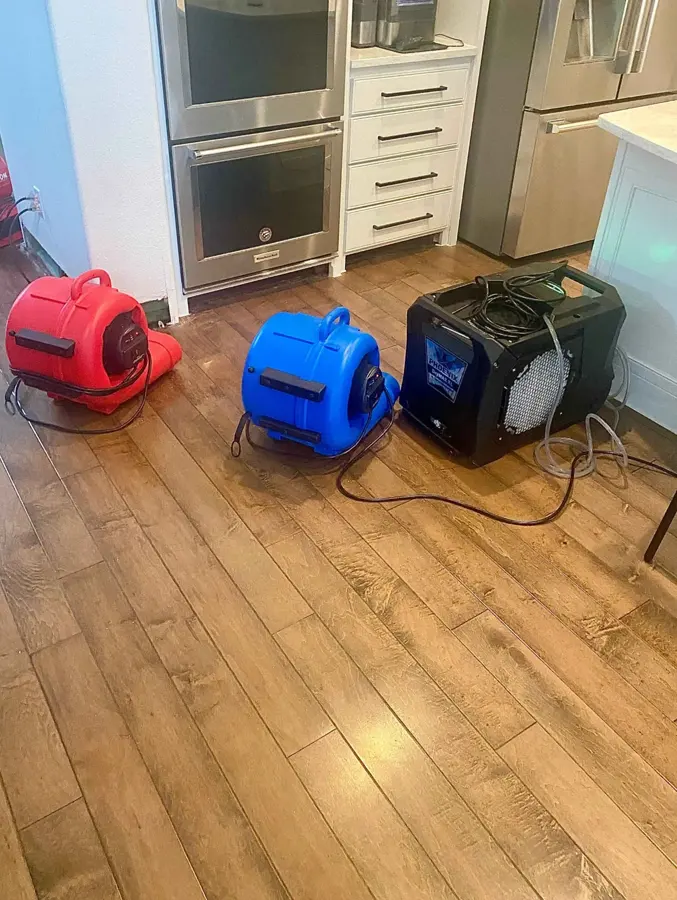
First steps for structural drying and dehumidification in North Hills
- Stop the water
Remove the source and extract standing water so drying starts from a clean baseline.
- Leave the equipment on
Once placed, machines should keep running and stay out of the way.
- Keep doors closed
Closed rooms let dehumidifiers work on the wet space instead of the whole house.
- Allow readings
Technicians return to take readings and move equipment as the structure dries.
Once the standing water is gone, the longer stage begins. Moisture stays locked in studs, joists, subfloors and wall cavities, and it only leaves when the surrounding air is dry enough to draw it out.
The standard behind every structural drying and dehumidification job in North Hills
Rapid local response
The response team runs 24/7 dispatch for Fresh Meadows, the rest of eastern Queens and the nearby Nassau villages, with pumps, air movers and meters on the truck.
IICRC S500 drying standard
IICRC S500 is the industry drying standard. The drying team maps moisture first and pulls equipment only when the readings say dry.
Claim-ready documentation
Most crews log daily moisture readings and take timestamped photos before any demolition, which is what an adjuster reads.
Queens water know-how
Basement backups in cloudbursts, frozen pipes in January, steam radiators and old galvanized supply pipe set the work here.
What does structural drying and dehumidification cost in North Hills, NY?
Structural drying in North Hills usually runs $1,000 to $10,000 or more, depending on how many rooms are wet, how dense the materials are and how many days equipment must run. Equipment days drive the final figure.
- Three to five days
- Air movers and an LGR
- Daily logs
- Multiple dehumidifiers
- Wall cavity drying
- Daily logs
- Desiccant dehumidifiers
- Floor drying mats
- Extended drying
Ranges are typical, not a quote: the water category, the wet square footage, the material class and how fast drying started move the number most. Run the water damage cost calculator for a closer planning range.
How structural drying and dehumidification is handled in North Hills
- 1
Map and plan
A moisture map and a psychrometric reading set the equipment count for each room.
- 2
Place the equipment
Dehumidifiers and air movers go in by zone, with cavity and floor drying where needed.
- 3
Monitor each day
Readings are taken and recorded, and equipment is moved as the wet areas shrink.
- 4
Confirm dry
Drying ends when framing, floors and walls reach target, and the log goes to the owner.
Equipment and placement
LGR dehumidifiers pull moisture from the air at a high rate, air movers push dry air across surfaces, and desiccant units take over when materials are dense. Placement follows the moisture map, not a template.
Housing types in the village
The village describes a mix of single-family homes, townhouses and condominiums, and each handles drying differently. A shared wall in a condominium may need access from both sides, while a single-family house usually allows direct work on every cavity. Water that started in an upstairs unit is covered under ceiling leak water damage.
Readings and repairs
- Moisture readings are taken each visit and written to the drying log.
- Equipment moves or leaves as materials reach target.
- Rebuild work waits until the log shows dry framing.
Permits after drying
Repairs that follow the drying may count as structural, plumbing or mechanical work, and each of those trades needs a Building Department permit. A permit left open can complicate a home sale until a Certificate of Completion or Certificate of Occupancy is issued. Extraction comes first, as covered under water extraction.
Structural drying and dehumidification coverage across North Hills and nearby communities
24/7 dispatch for structural drying and dehumidification in North Hills, NY, with the map pinned to the neighborhood.
Structural drying runs across North Hills, from communities like The Links at North Hills and Gracewood at North Hills to single-family houses, townhouses and the clubhouses of the village.
The same service nearby: structural drying and dehumidification in Fresh Meadows, Great Neck Plaza, New Hyde Park.
Water damage restoration in North Hills · every town covered
Related water damage services in North Hills
Structural Drying and Dehumidification questions in North Hills, NY
Why are the machines left running for days?
Water held deep in framing and subfloors leaves slowly. The machines stay on until readings hit target, because an early stop can leave damp material behind.
Can the equipment be turned off at night?
No. Dehumidifiers and air movers work only while they run, and switching them off stretches the job and lets moisture linger.
What is an LGR dehumidifier?
It is a low grain refrigerant unit that pulls more moisture from the air than a standard dehumidifier, which suits wet structures.
What happens to drying in a condominium?
Shared walls and floors may need access from the neighboring unit, and the association often coordinates timing and records.
Is a permit needed after drying?
Repairs can involve structural, plumbing or mechanical work, and the Building Department requires permits for those trades.
How do owners know the job is finished?
The drying log shows each material at target. A final set of readings confirms it before the equipment leaves.
Hidden moisture needs equipment and readings
Describe which rooms were wet and what the structure is made of, and the crew builds a drying plan around dehumidifiers, air movers and daily logs.