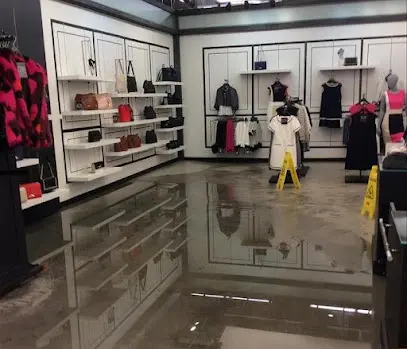
Tulip Avenue, known as Uptown, is the main street of Floral Park, with restaurants, bakeries and pubs behind brick and stone facades. When water gets into one of those buildings, a business owner has stock, staff and customers to think about at the same time. This plan covers the first day after a commercial water loss.
Key takeaways
- Make the space safe first: power, slippery floors and any food areas.
- Photograph everything before it is moved, including stock and equipment.
- Extraction and drying start early so the shop can reopen sooner.
- Brick and stone buildings and shared walls mean neighbors may be affected.
- Keep a running record of costs and lost business for the insurer.
Why Uptown is exposed
Tulip Avenue has restaurants, bakeries and pubs behind brick and stone facades. Covert Avenue is a second walkable strip of shops and eateries, and Verbena Avenue, Plainfield Avenue and Jericho Turnpike are also shopping and business streets.
These buildings sit close together and often share walls, so one broken pipe or one failed sprinkler can affect more than one business.
The first day, step by step
The first day decides how much is saved. A business owner has to protect people, then property, then the schedule.
Safety and shutoff
Stop the water at its source if that can be done safely, and switch off power to wet areas from a dry spot. Wet kitchen floors are slippery, and wet electrical equipment is dangerous.
- Keep staff and customers out of wet areas.
- Do not use cooking equipment that sat in water.
- Put out signs and cones where floors are slick.
Protecting stock and records
Move inventory, paper records and electronics out of the wet area or onto raised surfaces. In a food business, set aside anything that touched floodwater or sewage.
- Photograph shelves, coolers and equipment before moving them.
- Check with the local health authorities before serving food that was near the water.
- List what was lost, with approximate values.
How the crew handles a commercial loss
Water extraction comes first, because standing water spreads into floors, base walls and cabinets. Pumps and extractors remove it, and wet flooring is checked.
Commercial jobs often need phased work so part of the business can keep running. The crew can set up containment and evening and overnight scheduling around opening times.
- Extraction of standing water from kitchens, dining rooms and storerooms.
- Removal of wet carpet, pad and ceiling tiles that cannot dry.
- Moisture mapping to find water behind walls and under counters.
Drying brick, plaster and old floors
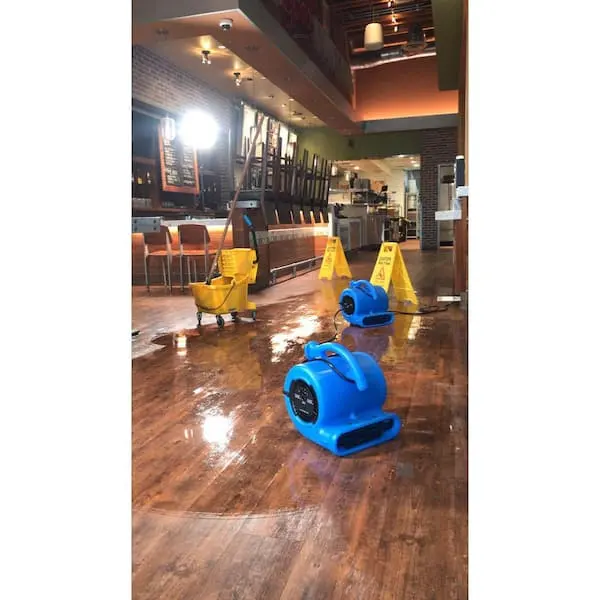
Brick and stone buildings hold water inside masonry and plaster. Structural drying uses air movers and dehumidifiers, with moisture readings taken until the materials are dry.
Cutting the process short can leave hidden dampness behind a freshly painted wall.
Events and the street
The Floral Park Chamber of Commerce holds an annual street fair on Tulip Avenue timed to the Belmont Stakes. A restaurant or shop with water damage before that weekend has a good reason to move quickly.
Tell the crew about any date that matters, such as an event, a delivery or an inspection, so the plan can be built around it.
Records, neighbors and next steps
Keep receipts, photographs and a log of staff shifts lost. Talk to the landlord and the neighboring businesses, because water often crosses shared walls.
The village Building Department issues permits and says to call before making changes to a property, which is worth remembering before any repairs. The Floral Park hub lists every water service for the village.
Different businesses, different priorities
A restaurant, a bakery, a pub and a retail shop do not face the same problems after water arrives. Each has its own equipment, stock and customers.
Restaurants and bakeries
Kitchens carry heavy equipment, refrigeration and drains. Water can reach walk-in coolers, ovens, mixers and the floor drains underneath them.
Cleaning and sanitizing matter as much as drying, and a crew can plan the work around the areas that must be clean to reopen.
- Protect cold stock first, and discard anything that touched floodwater.
- Keep drains and floor sinks clear so water does not return.
- Ask the crew to sequence work so the kitchen is finished first.
Pubs and retail shops
Bars, shelving and display fixtures hold water against walls and floors. Wood bars and stools can swell if they stay wet.
Retail stock, paper goods and fabrics wick water quickly, so they should be lifted out of the wet area early.
- Lift stock onto shelves or tables off the wet floor.
- Cover or move electronics and point of sale equipment.
- Photograph fixtures before they are moved.
Working with the landlord and the insurer
Many Tulip Avenue businesses rent their space, and a lease often says who handles the building and who handles the contents. The landlord should hear about the water on the first day.
An insurer will ask for photographs, a list of losses and records of lost sales. Starting those records right away is easier than rebuilding them from memory later.
- Tell the landlord in writing and keep a copy.
- Photograph damage before any cleanup.
- Keep receipts for emergency work and supplies.
- Track days of closed business and staff time.
Staff, customers and communication
A business with water on the floor also has people to manage. Staff need clear instructions, and customers need to know whether the doors are open.
A short, honest message on the door and online prevents confusion. Say that the business is closed for cleanup and when an update will follow, without promising a reopening date that depends on drying.
- Brief staff on what is safe and what is not.
- Post a notice at the entrance and on the business's online pages.
- Keep a list of orders or events that may be affected.
- Ask the crew for a rough schedule once readings are taken.
Before reopening
A shop should not reopen just because the floor looks dry. The structure, the equipment and any food areas all need to be ready.
The crew's moisture readings show when the walls and floors have dried. The owner then confirms that equipment works and that required checks are done.
- Moisture readings show the structure is dry.
- Electrical equipment has been checked by a qualified person.
- Food areas have been cleaned and sanitized.
- Floors are safe and not slippery.
- The landlord and insurer have the records they need.
Questions
What is Uptown in Floral Park?
Tulip Avenue is called Uptown. It is the main street, with restaurants, bakeries and pubs behind brick and stone facades.
Can a business stay open during water cleanup?
Sometimes. Crews can work in phases, contain wet areas and schedule work for evenings, depending on how much of the building is affected.
What happens to food that touched floodwater?
It should be set aside. Check with the local health authorities before serving or selling anything that was near floodwater or sewage.
How long does drying take for a brick building?
It depends on how wet the masonry and plaster are. Moisture readings decide, and the work continues until they return to normal.
Do neighbors share the damage?
Often. Buildings along the avenues share walls, so water can pass between businesses. Tell the landlord and neighbors early.